23rd August, 2026
Cambridge Centre for Computing HistoryMeeting Summary
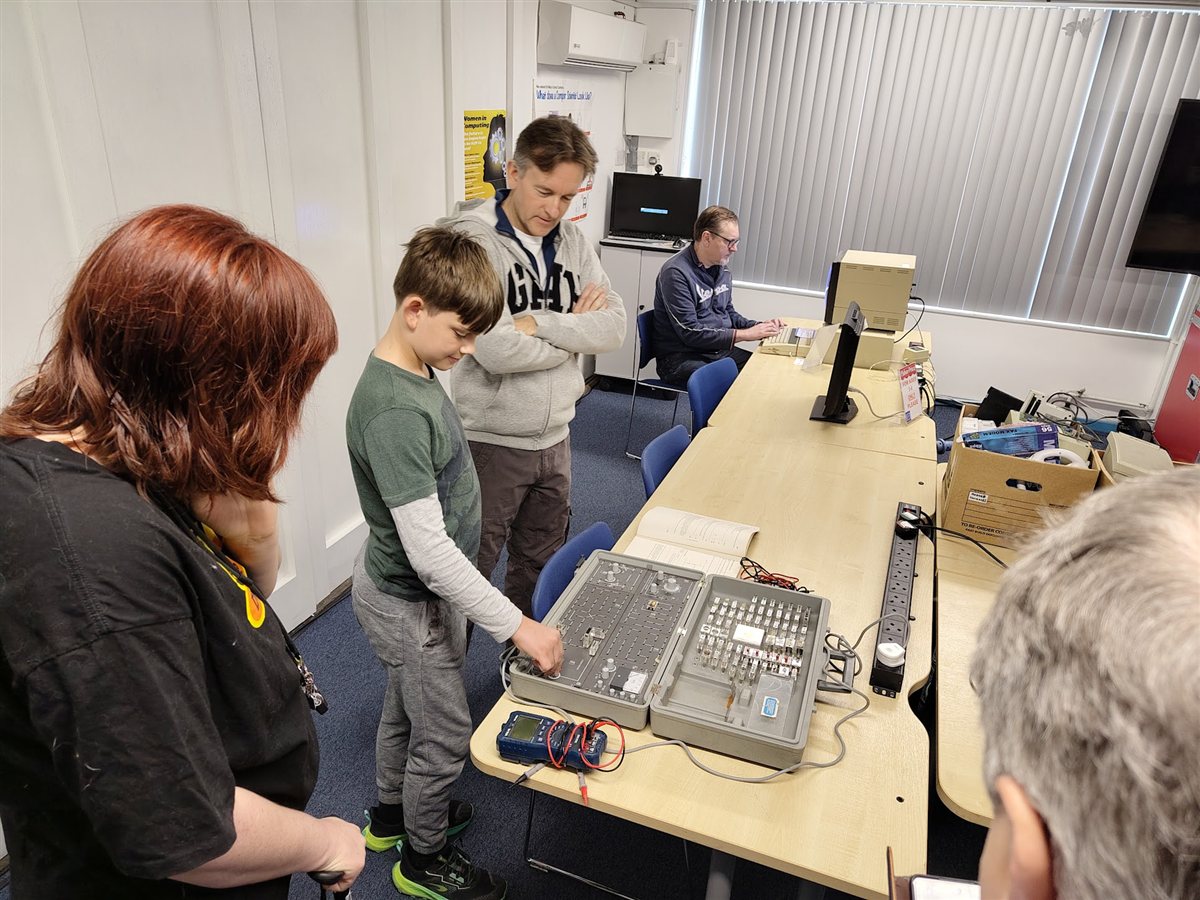
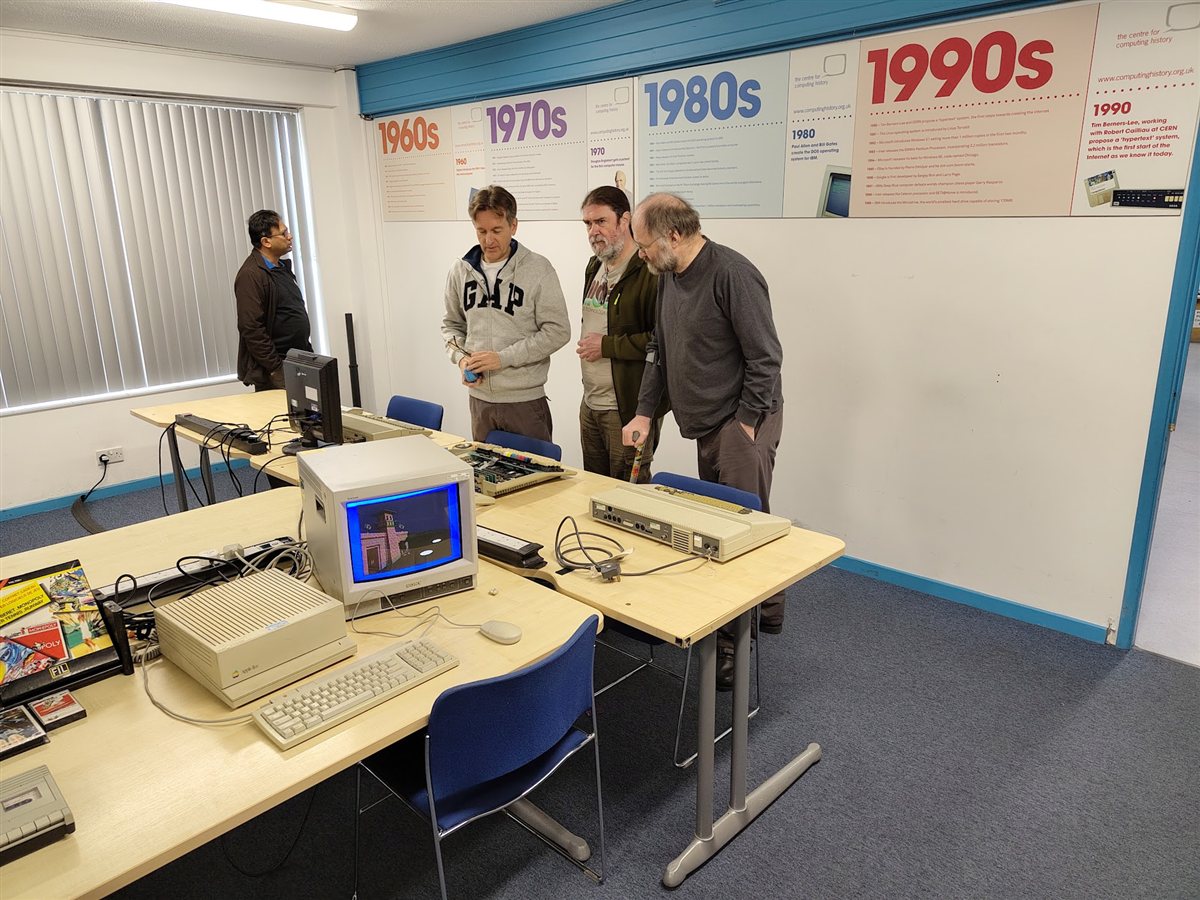
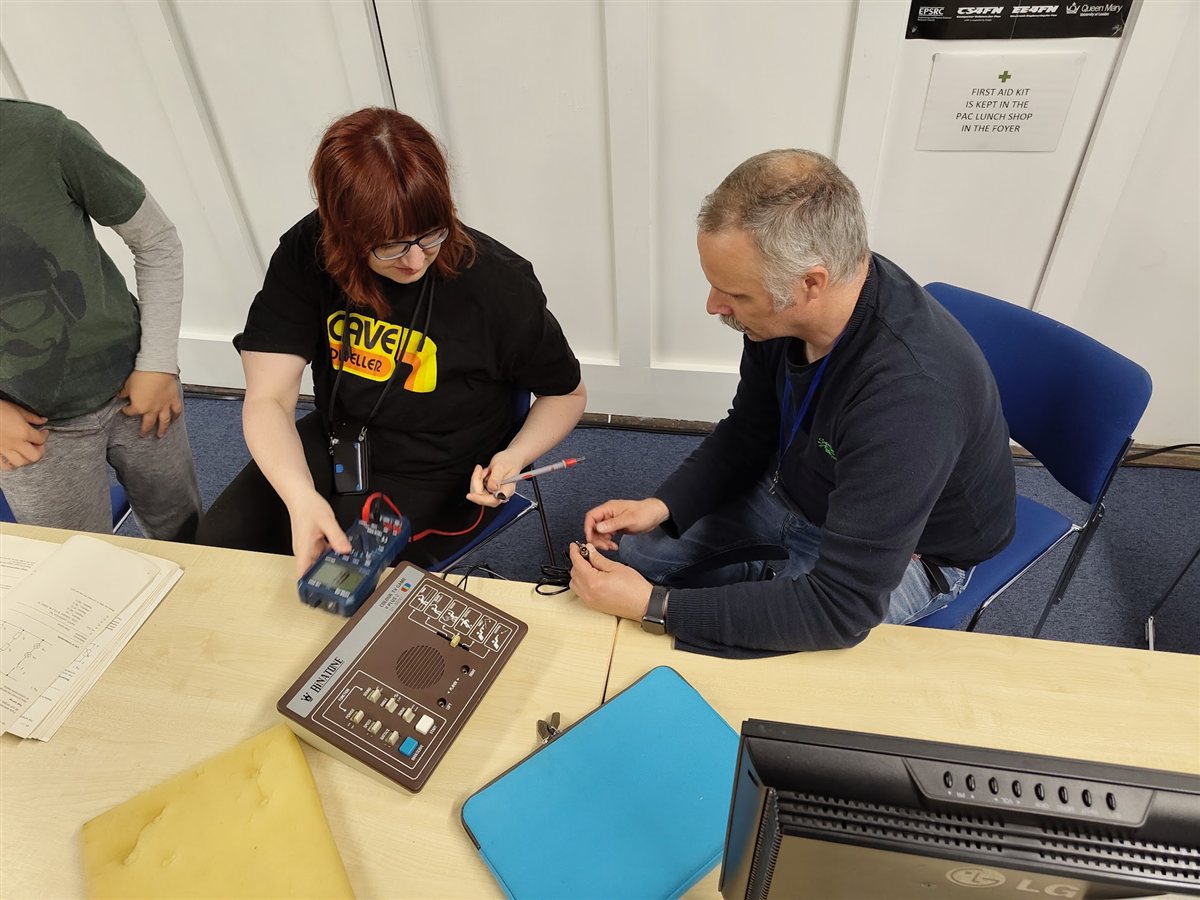
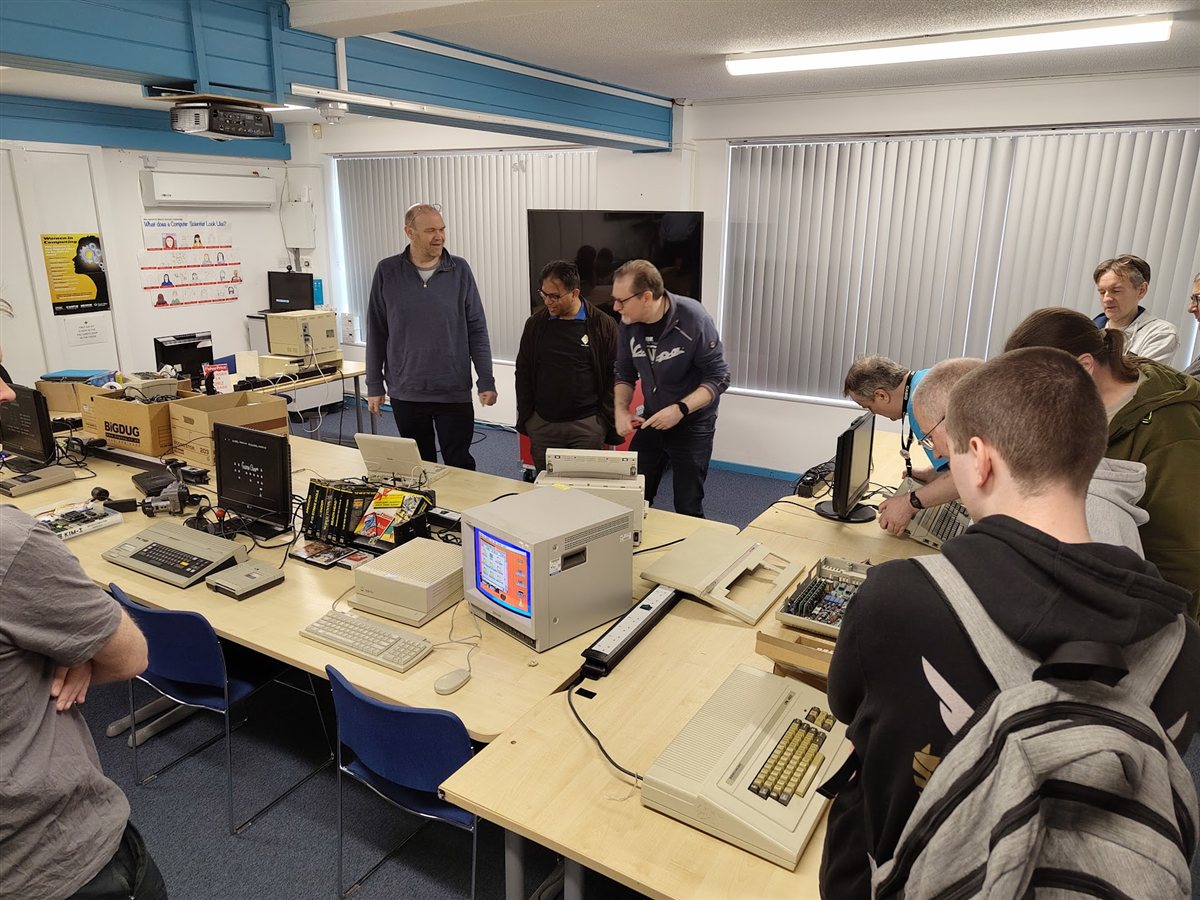
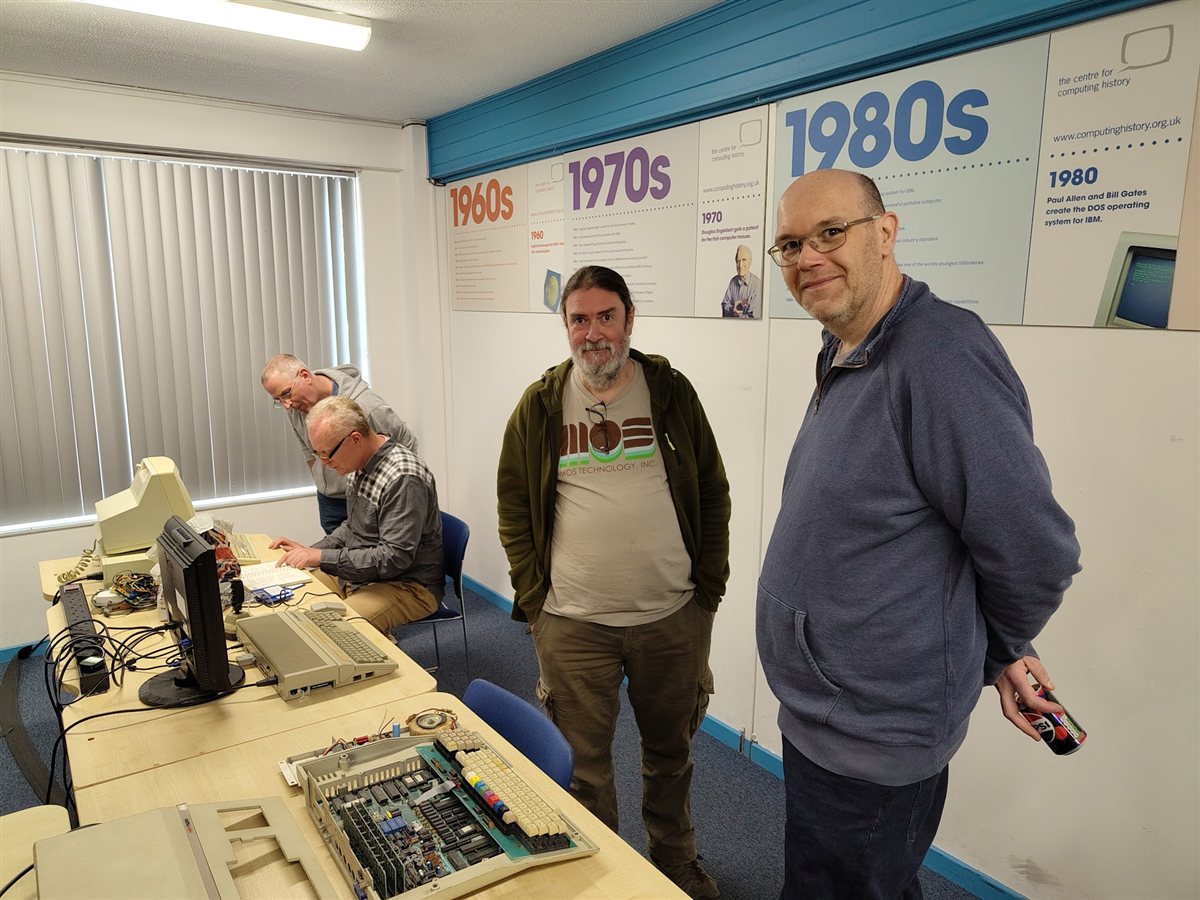
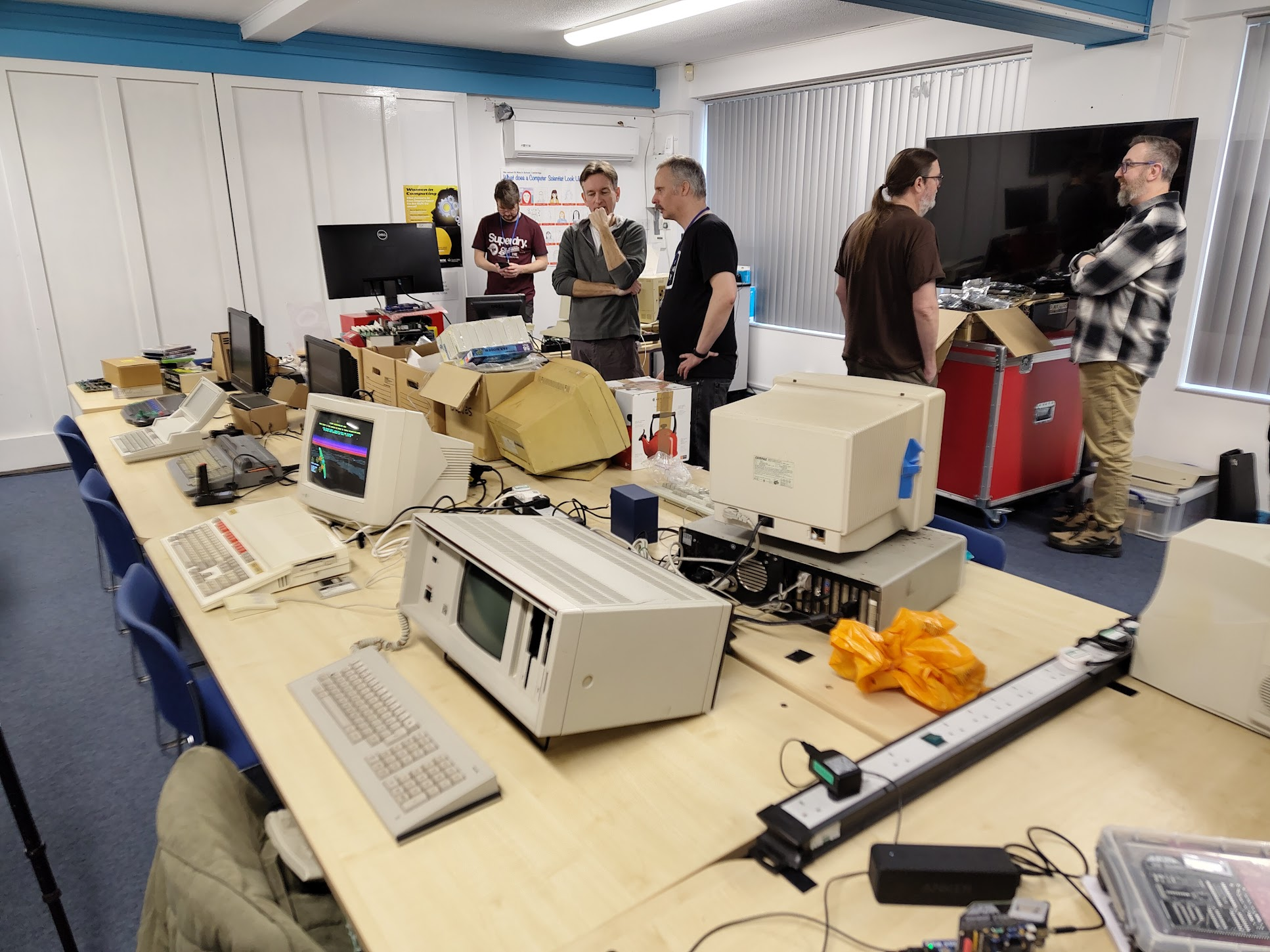
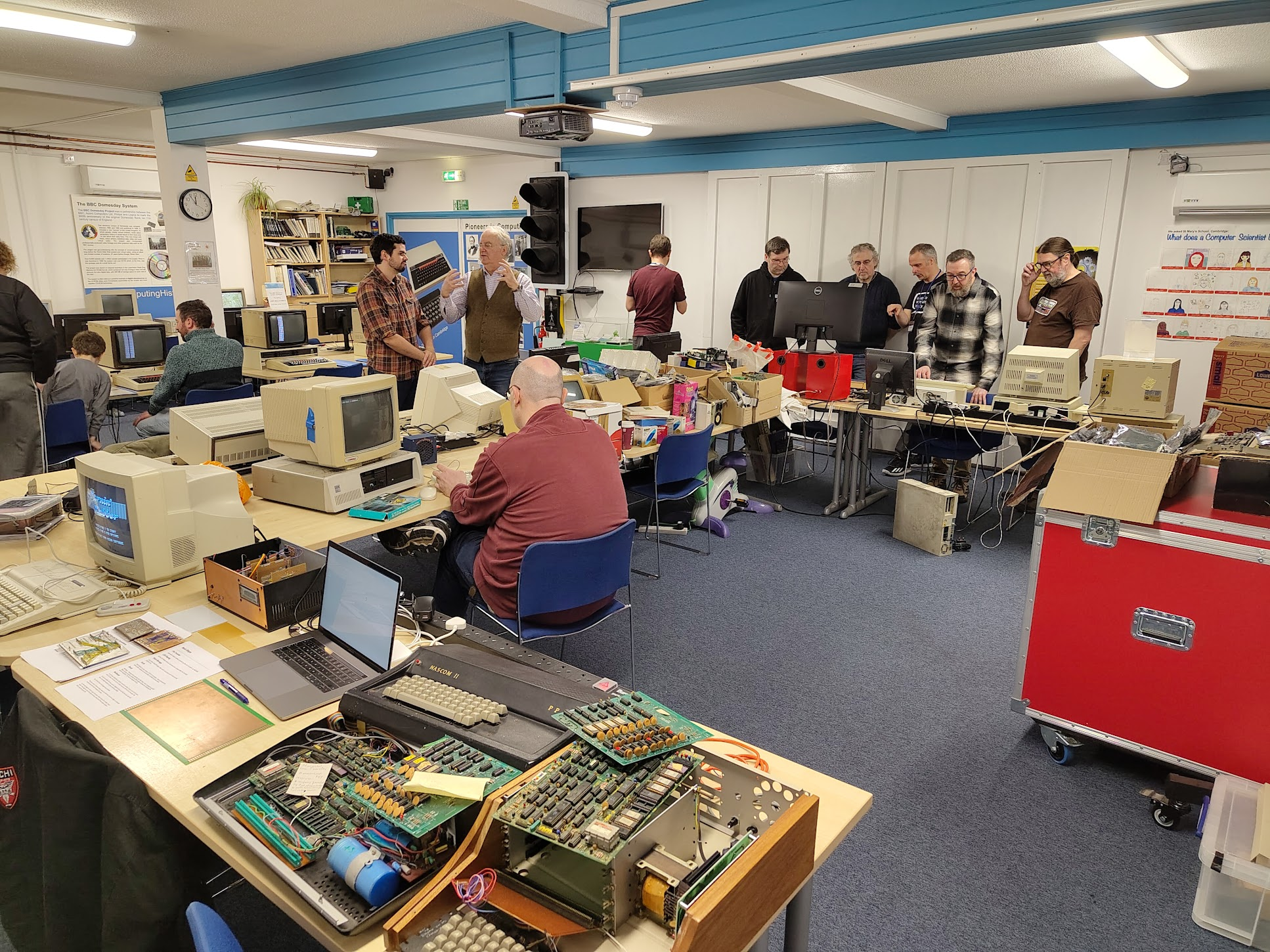
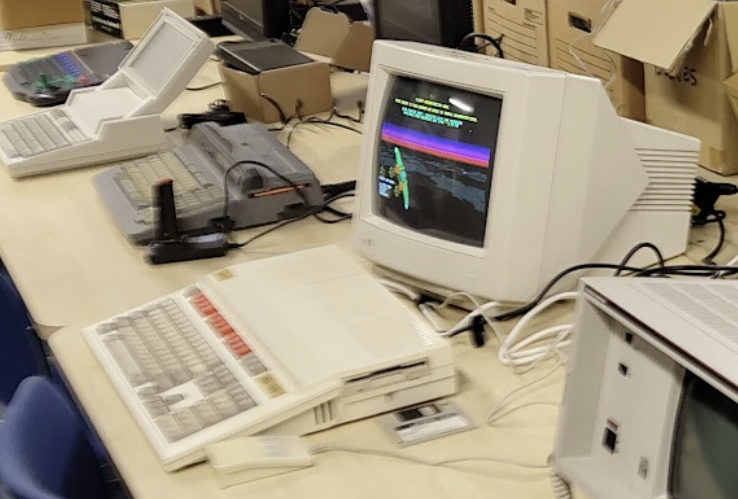
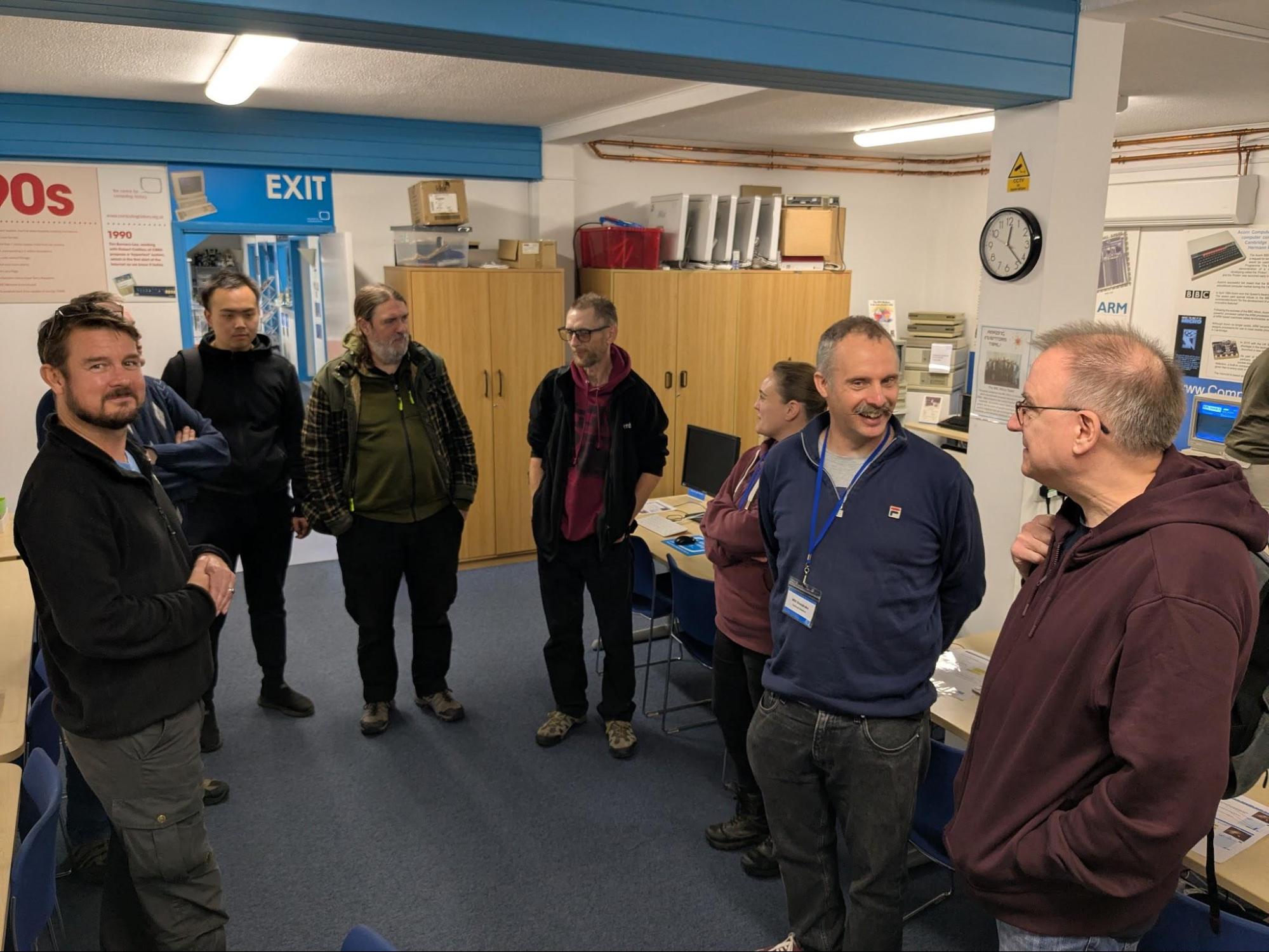
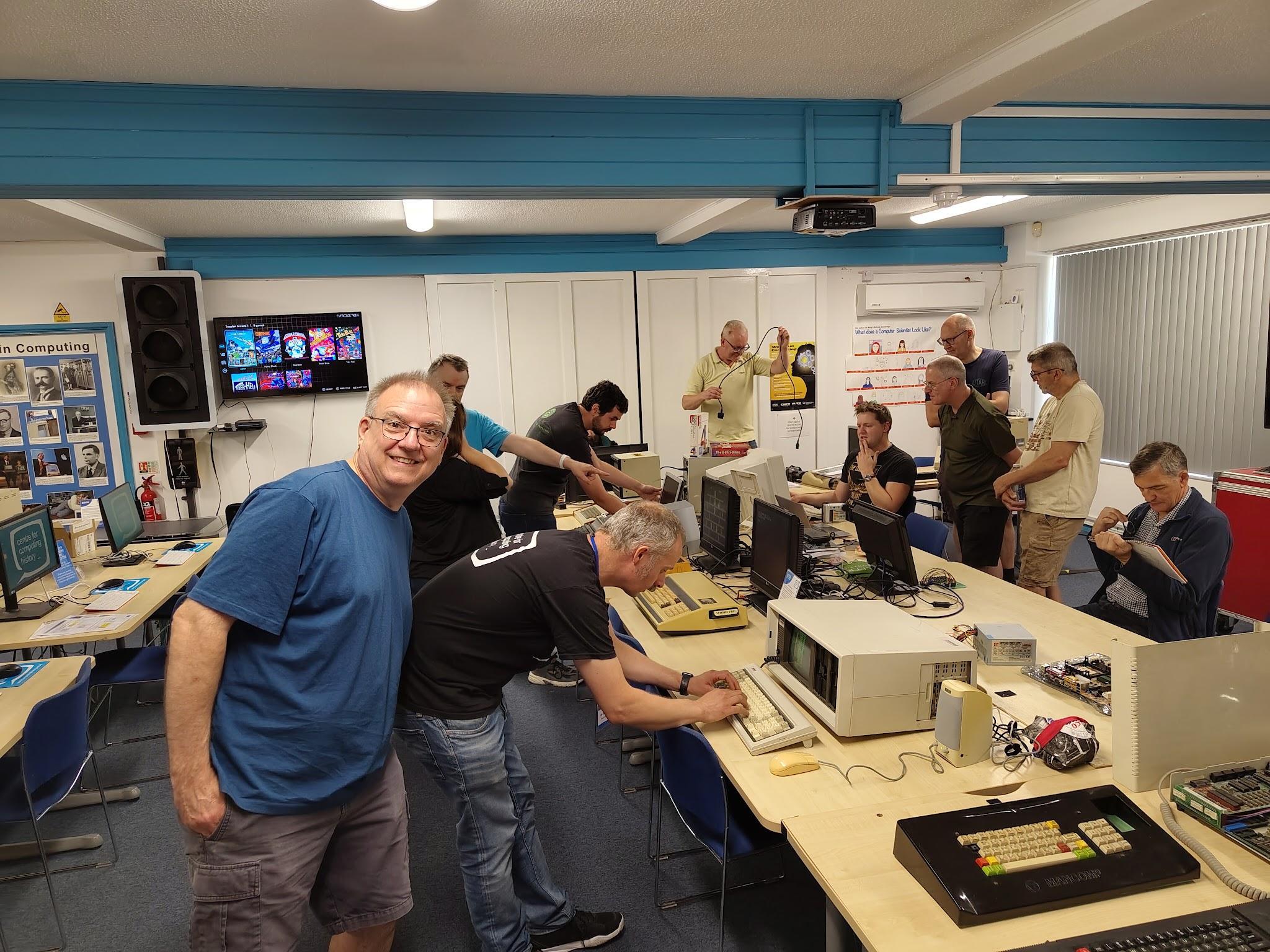
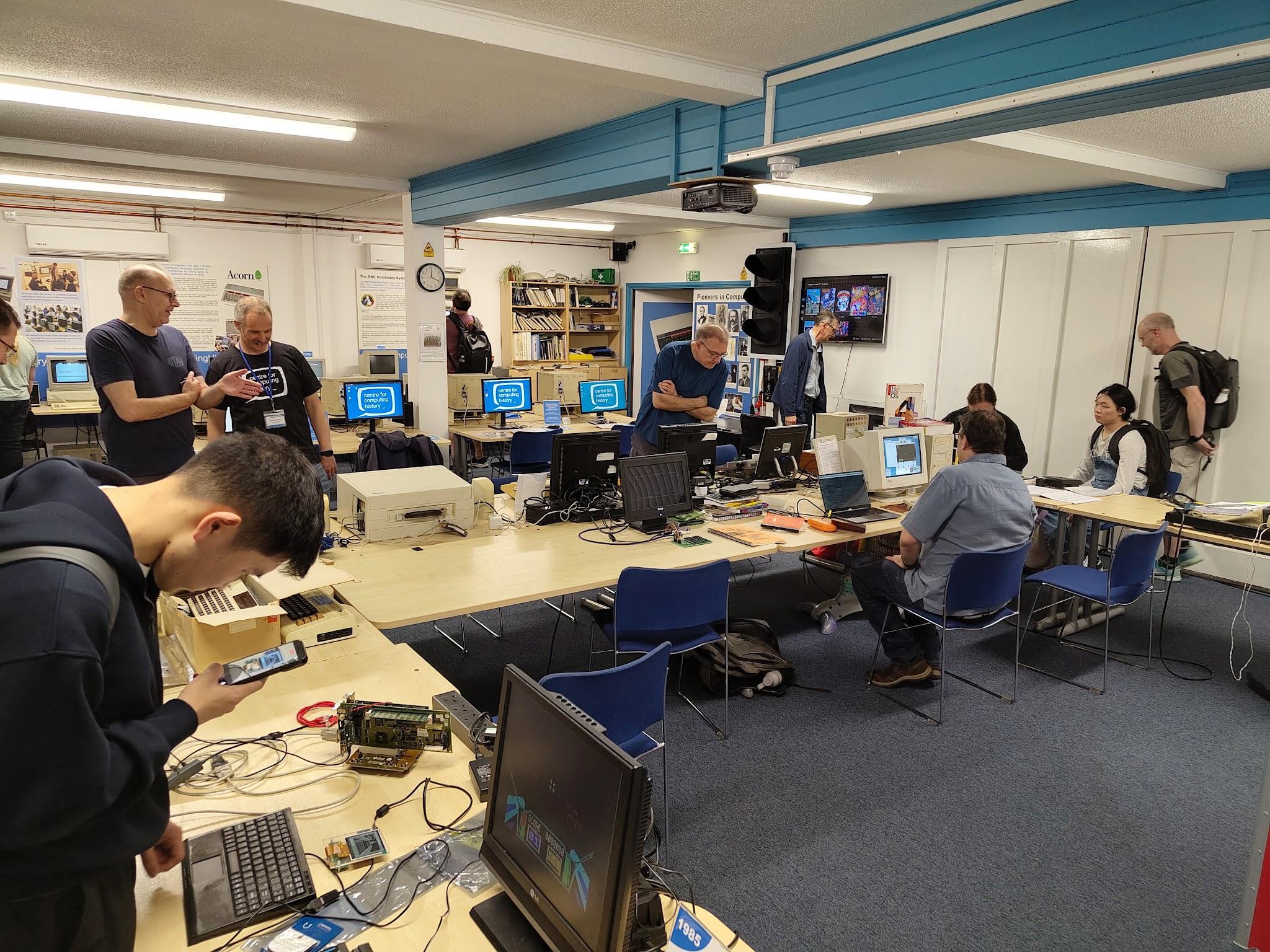
This was the best attended meeting so far with all the tables set aside for the event full up before the official start time of 11am. Several new faces and new machines as well as some old favourites made an appearance.
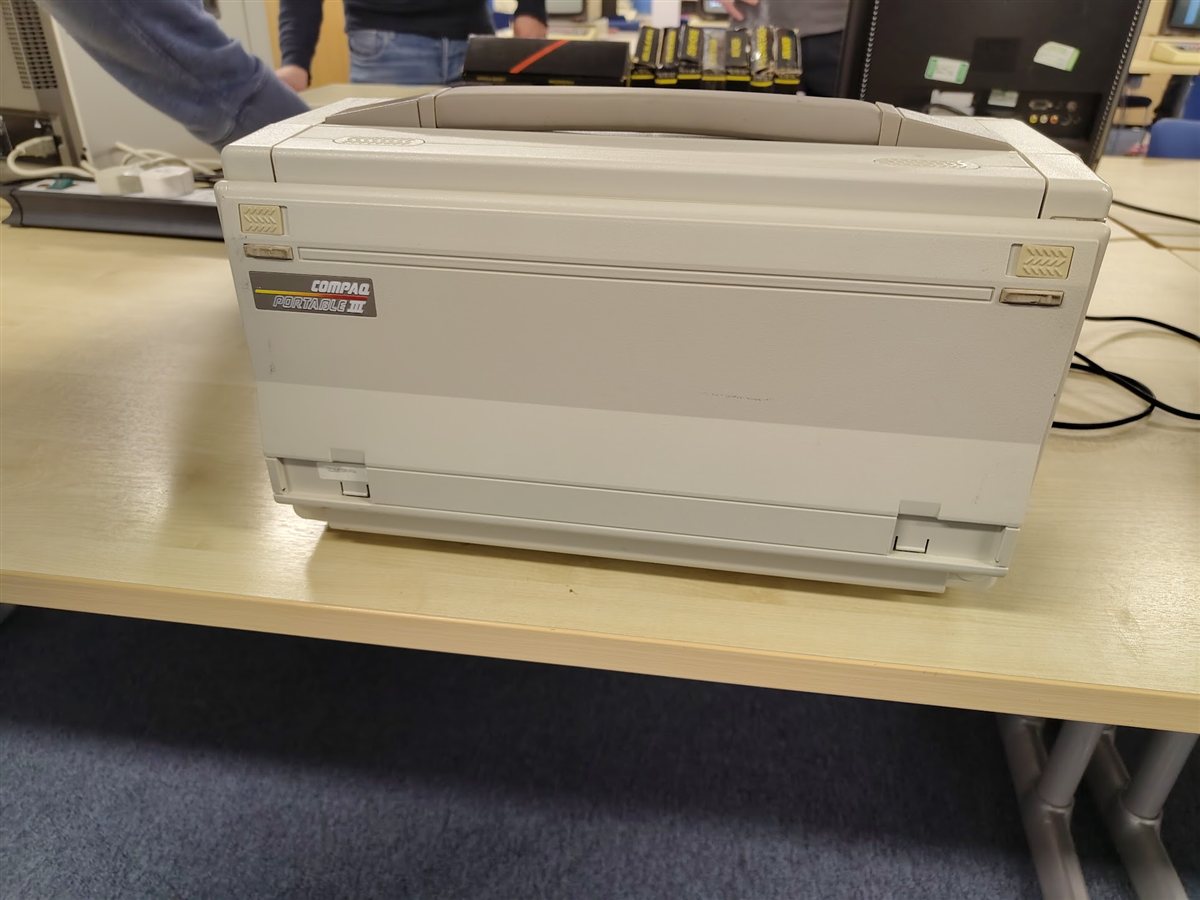
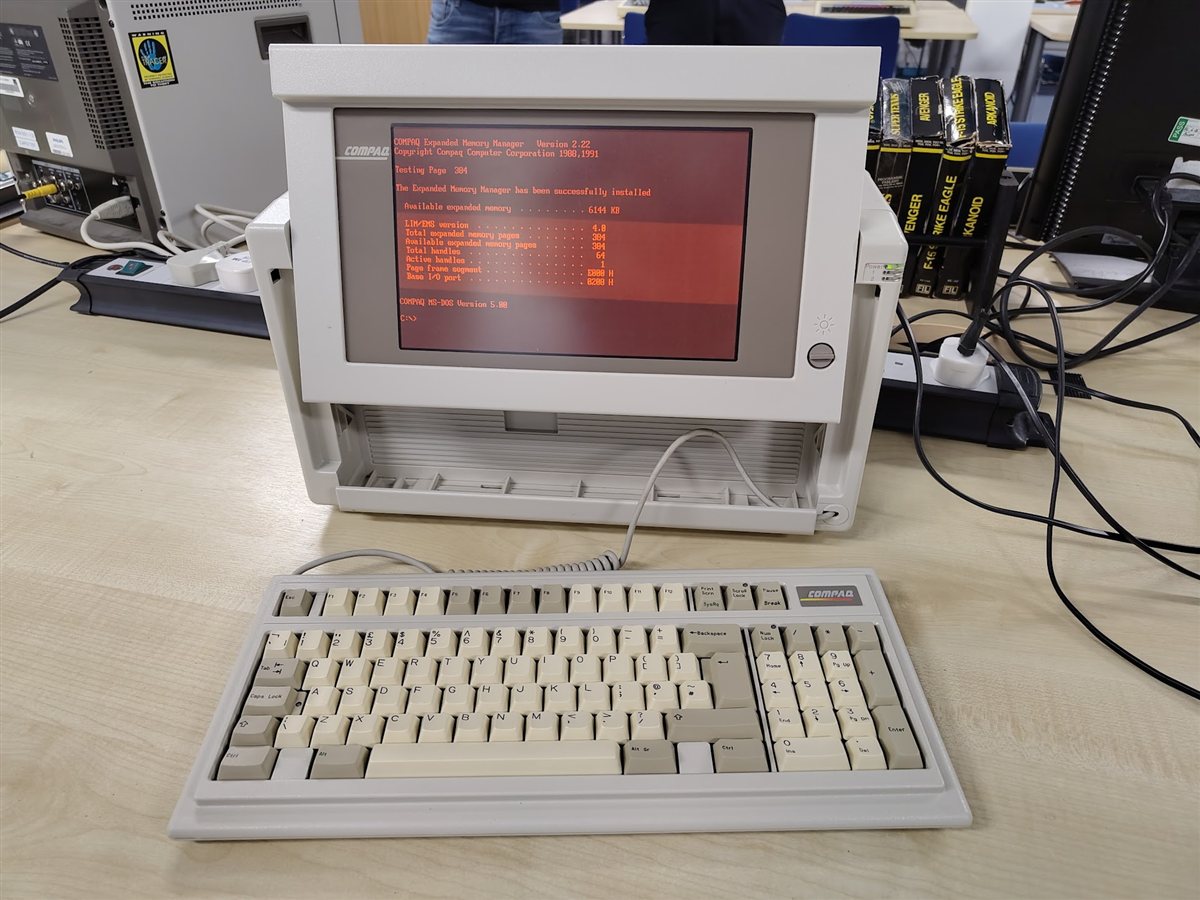
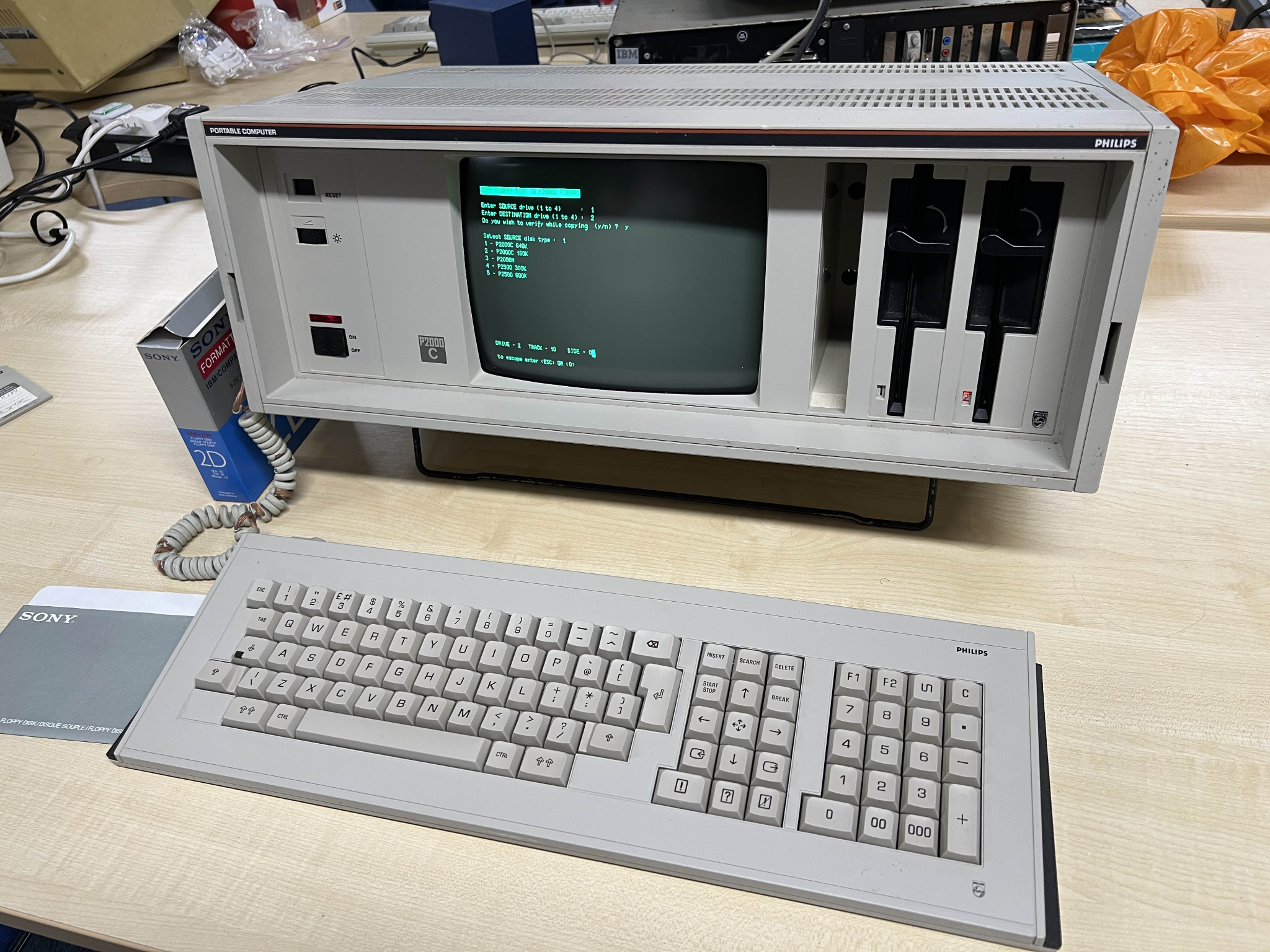
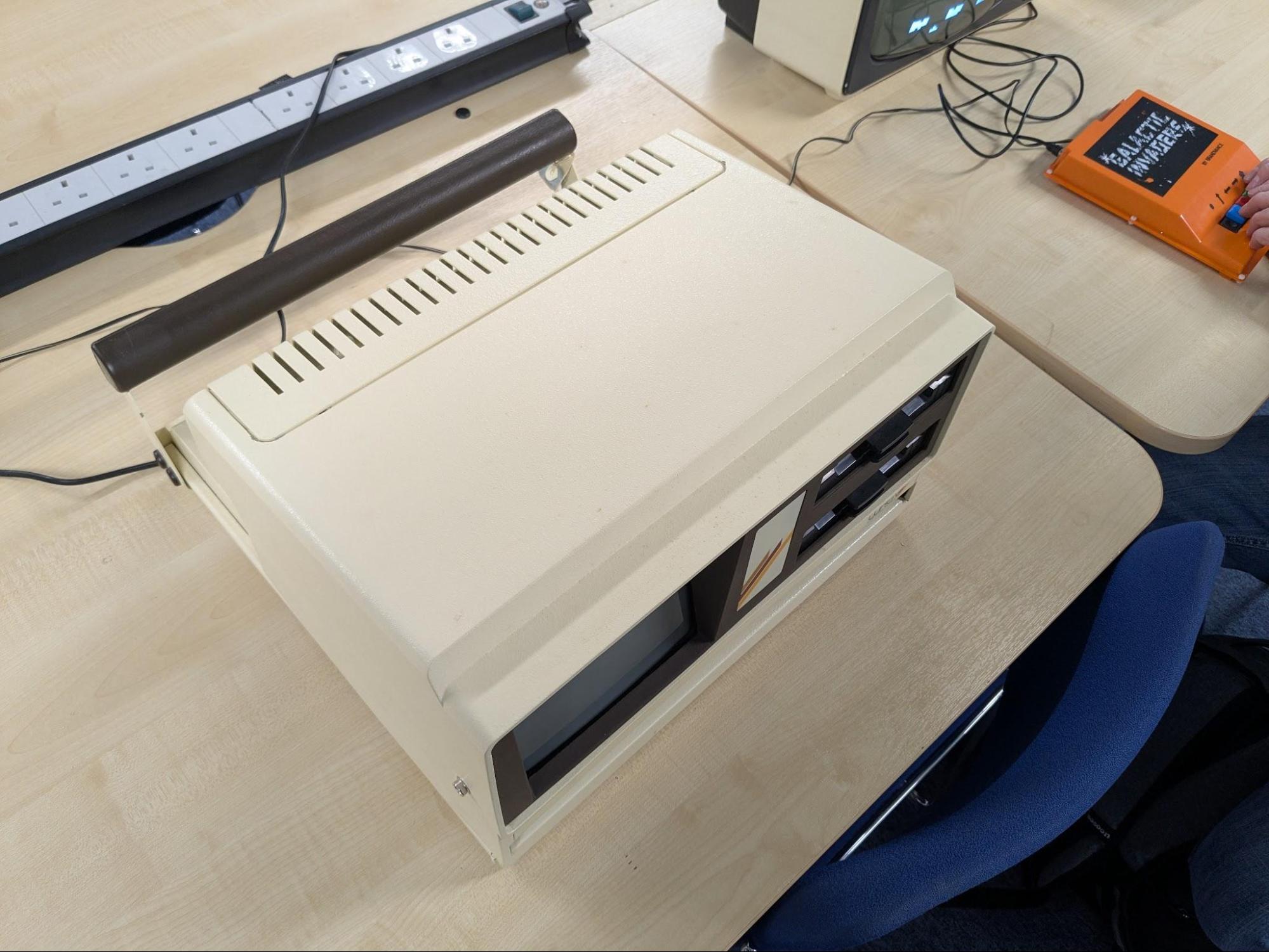
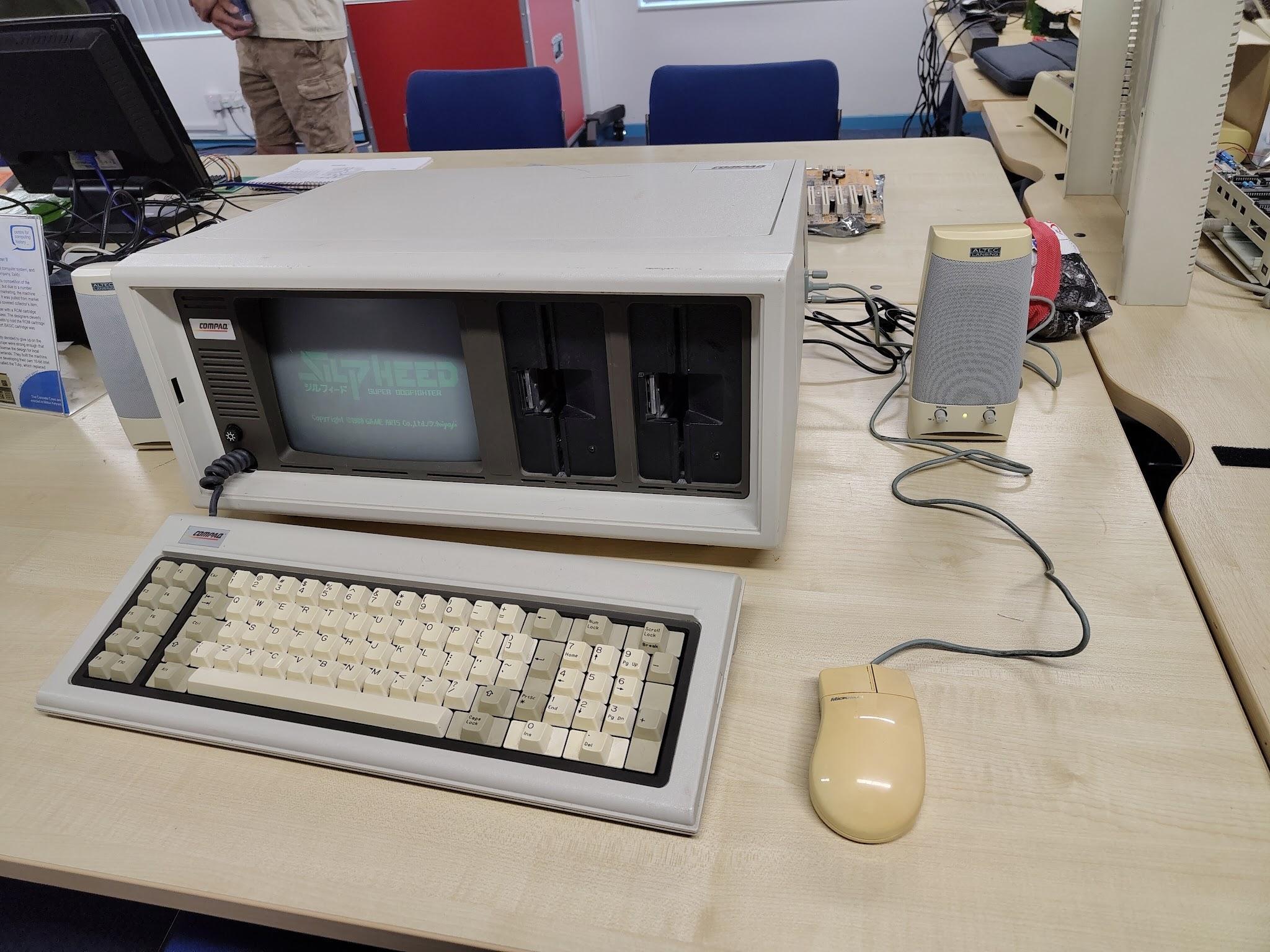
Original Compaq Portable
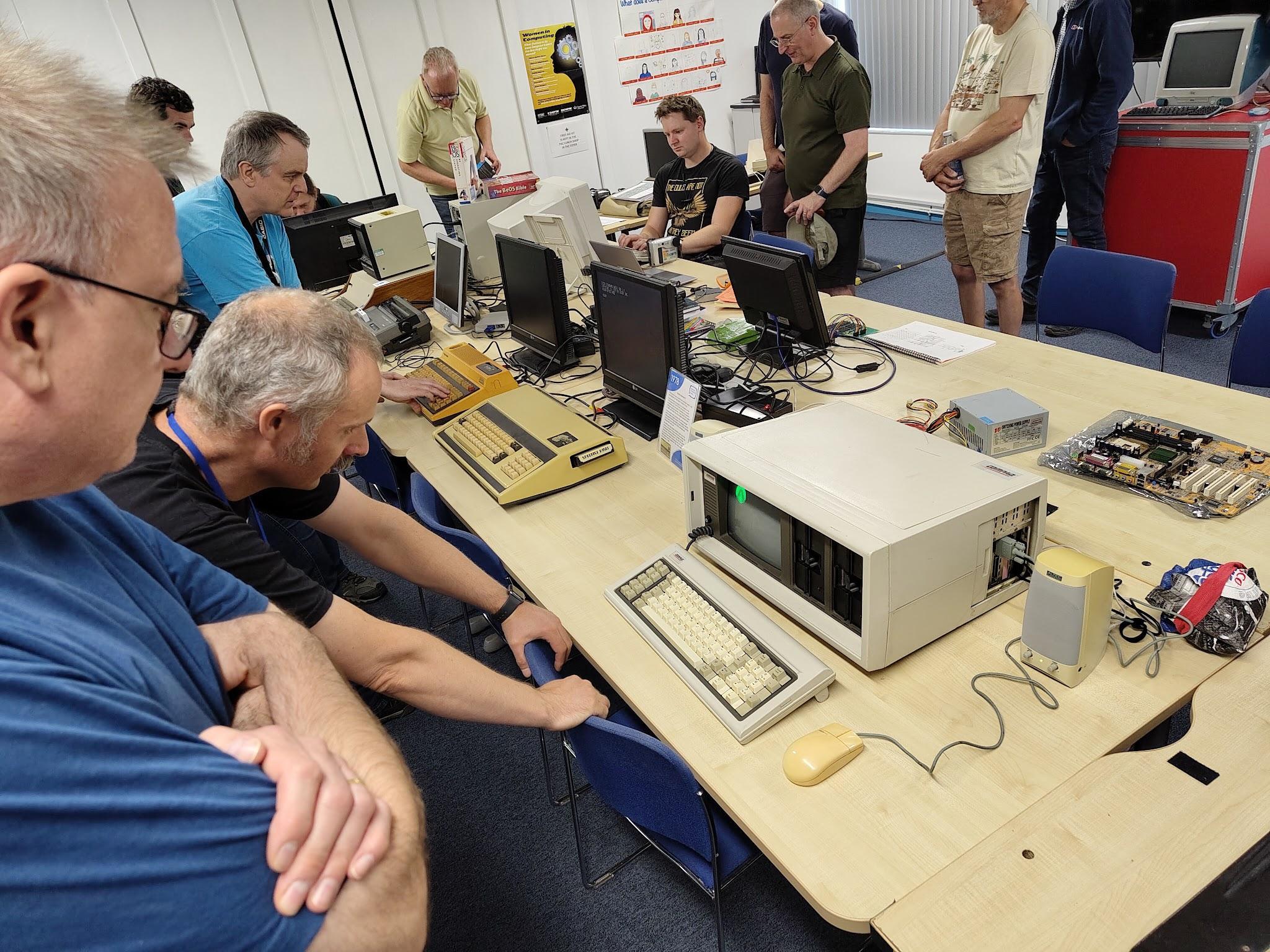
Brought by Will, the machine that helped launch the phrase 'PC Compatible': https://www.computinghistory.org.uk/det/1322/compaq-portable-computer/
I saw it playing several different games in crisp monochrome and heard it banging out some tunes.
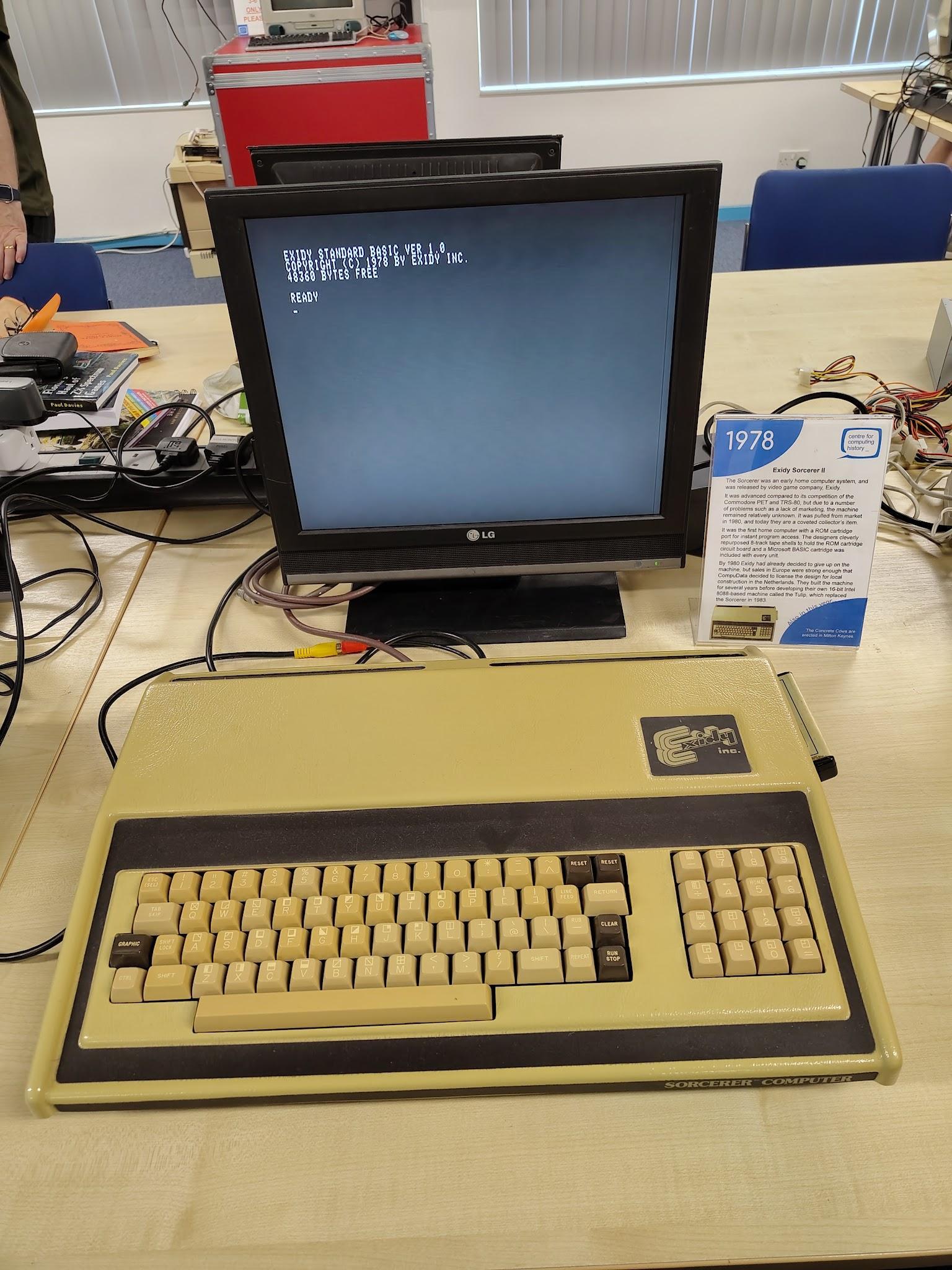
Exidy Sorcerer II
From the CCH collection, a Z80 based machine which featured in the recent exhibition to celebrate that processor's 50th birthday: https://www.computinghistory.org.uk/det/5396/exidy-sorcerer-ii/
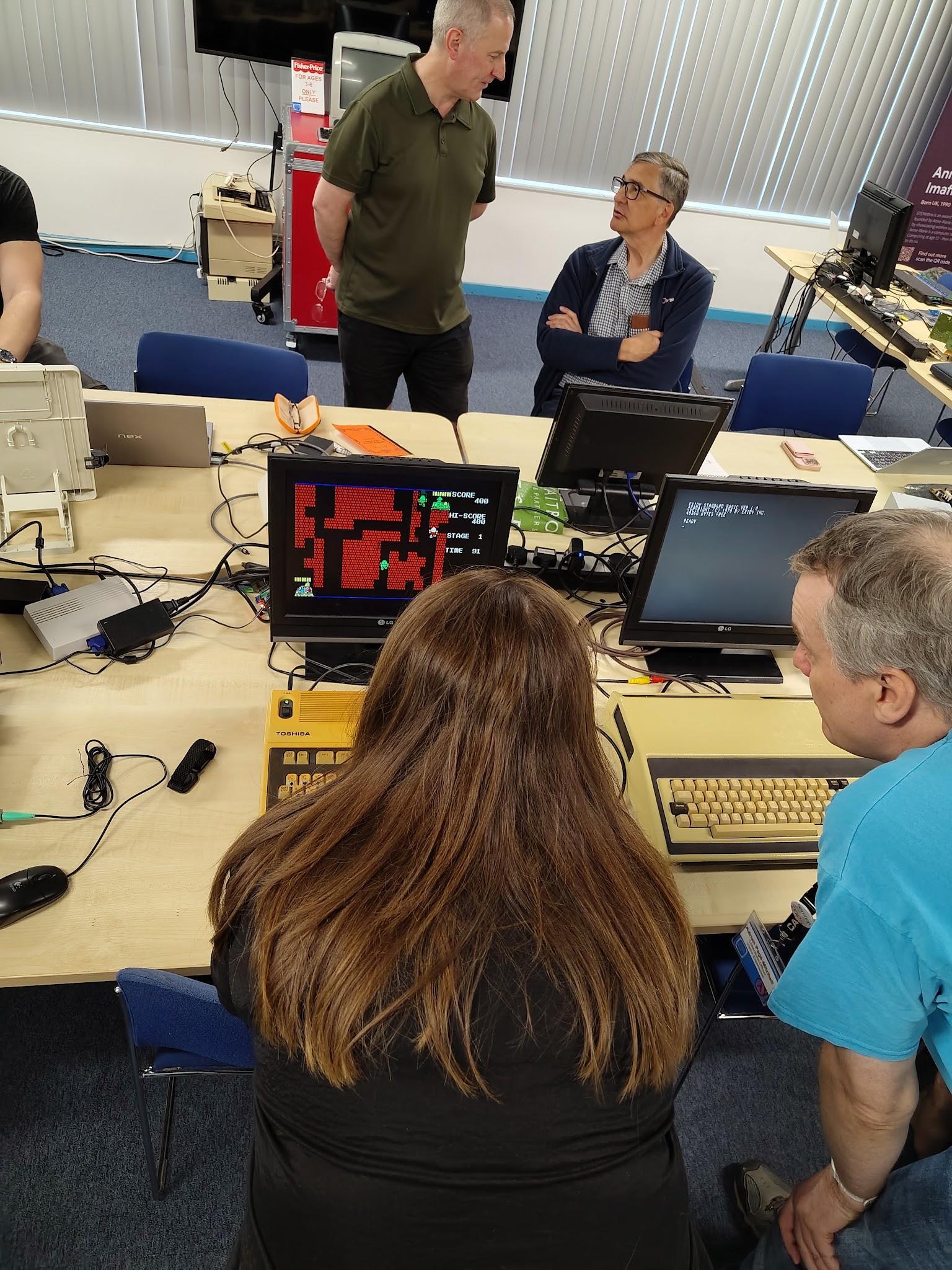
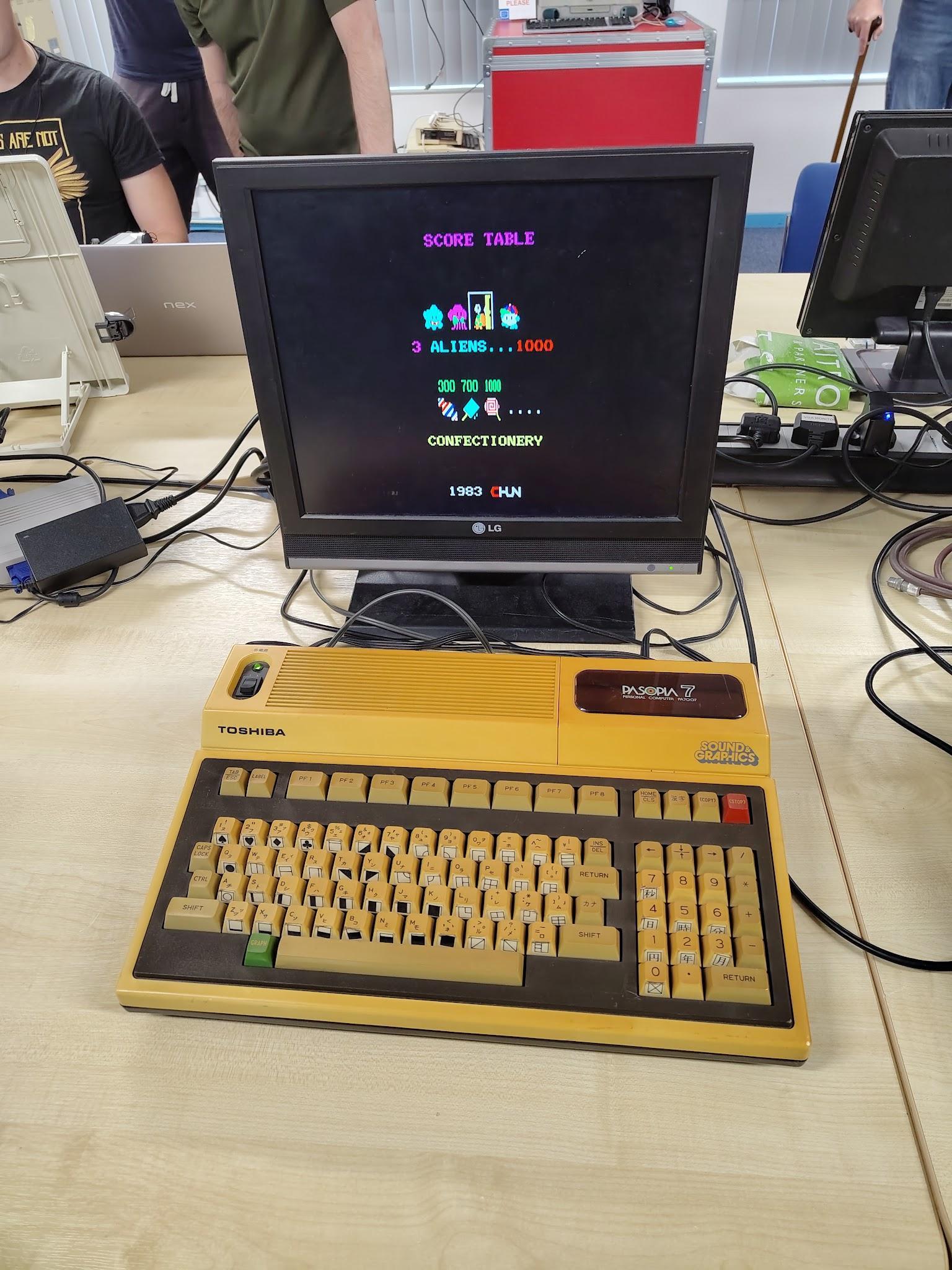
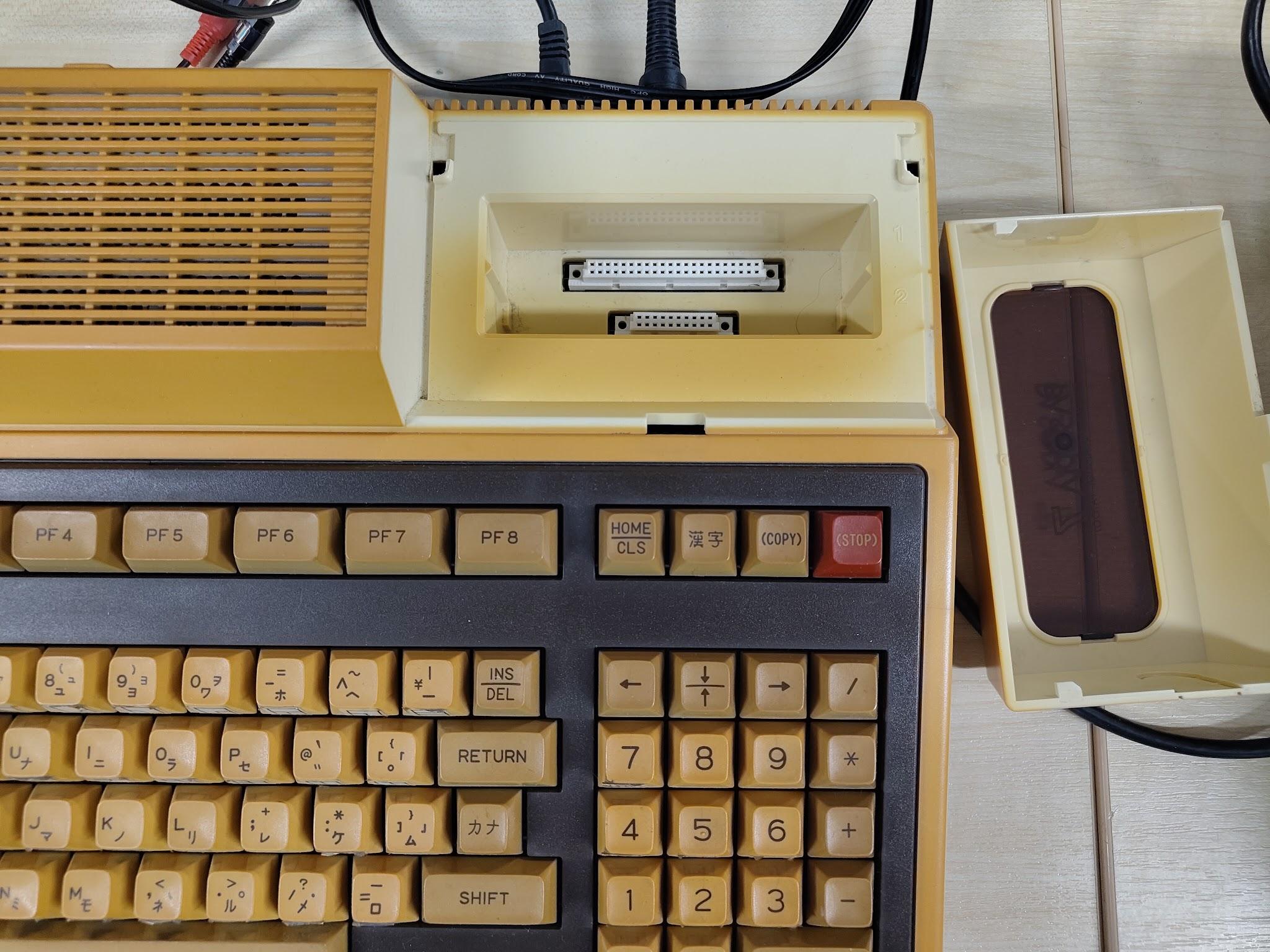
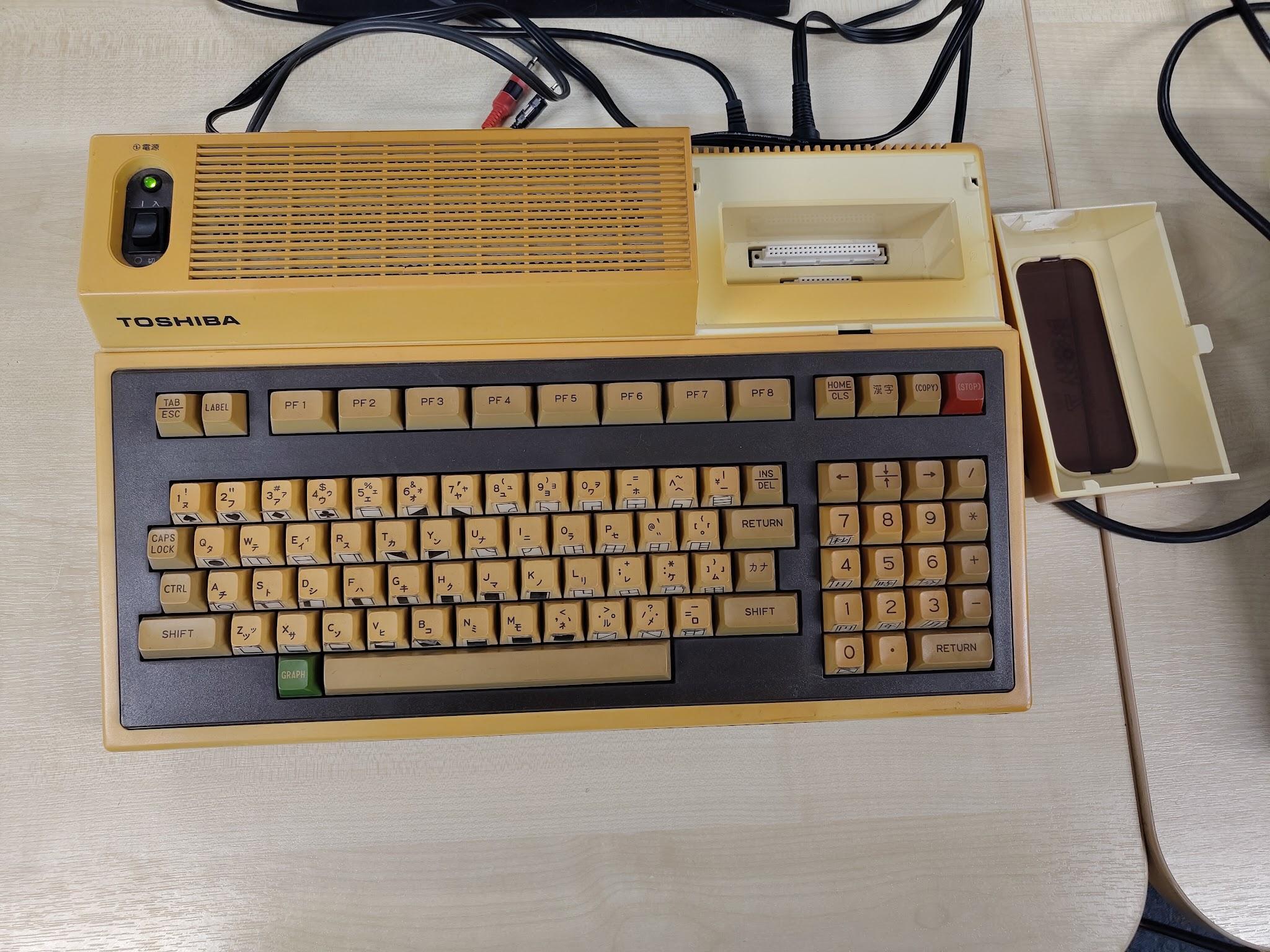
Toshiba Pasopia 7
Brought by Adrian, a pre-MSX standard computer which exceeded that standard in many ways. This one has clearly lived a life (possibly much of it in the house of a heavy smoker): https://en.wikipedia.org/wiki/Toshiba_Pasopia_7
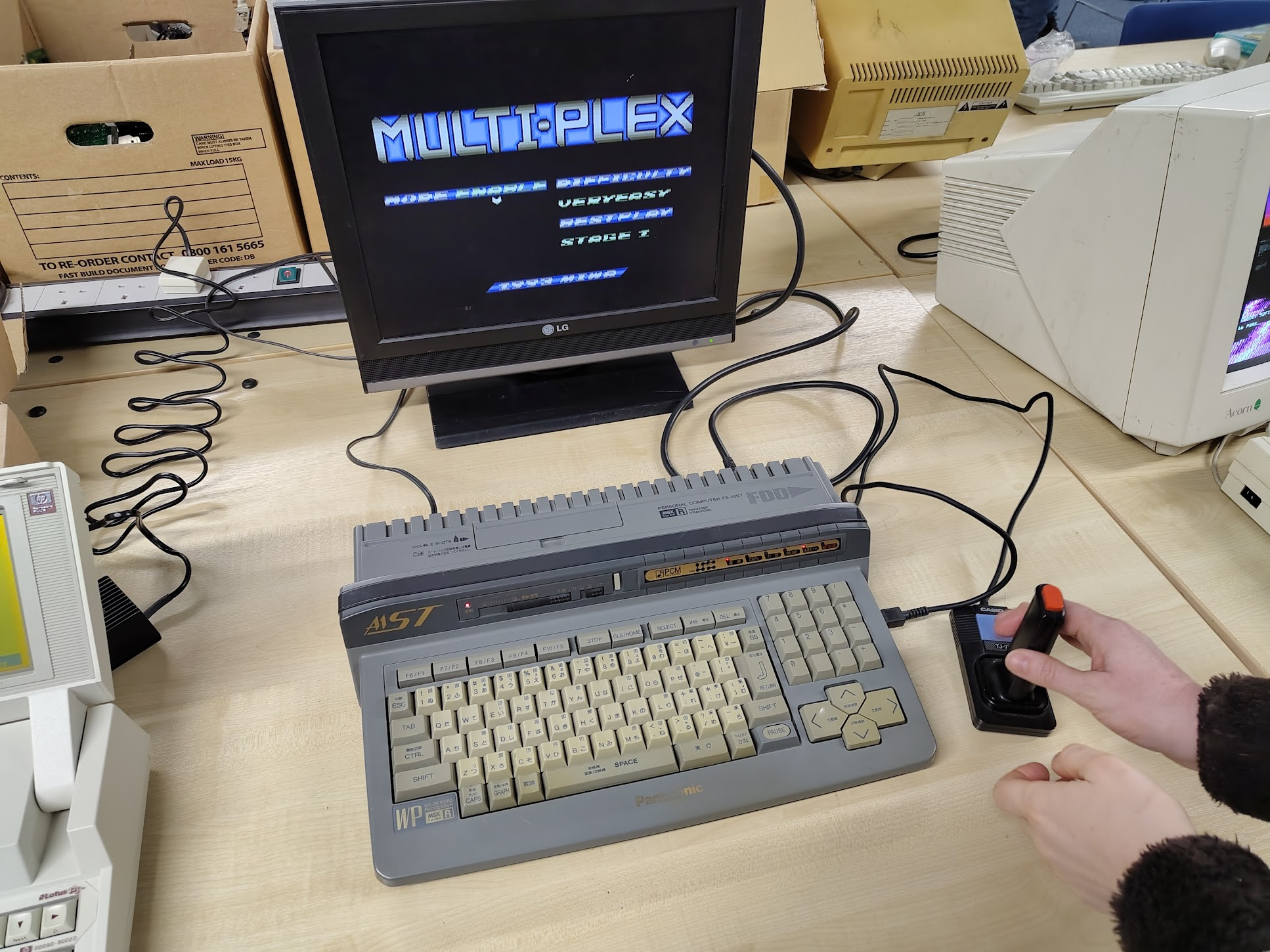
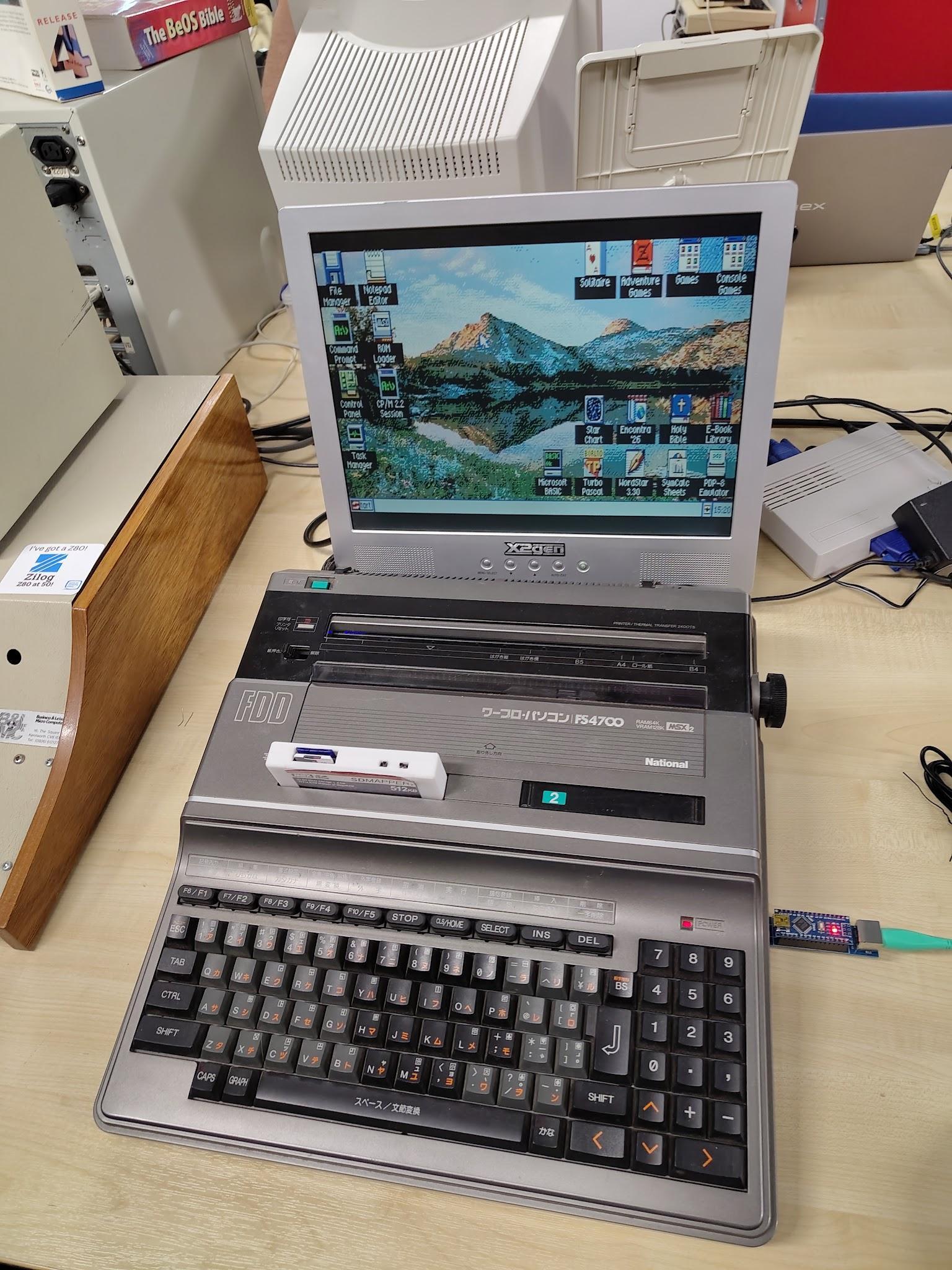
National MSX2 FS-4700
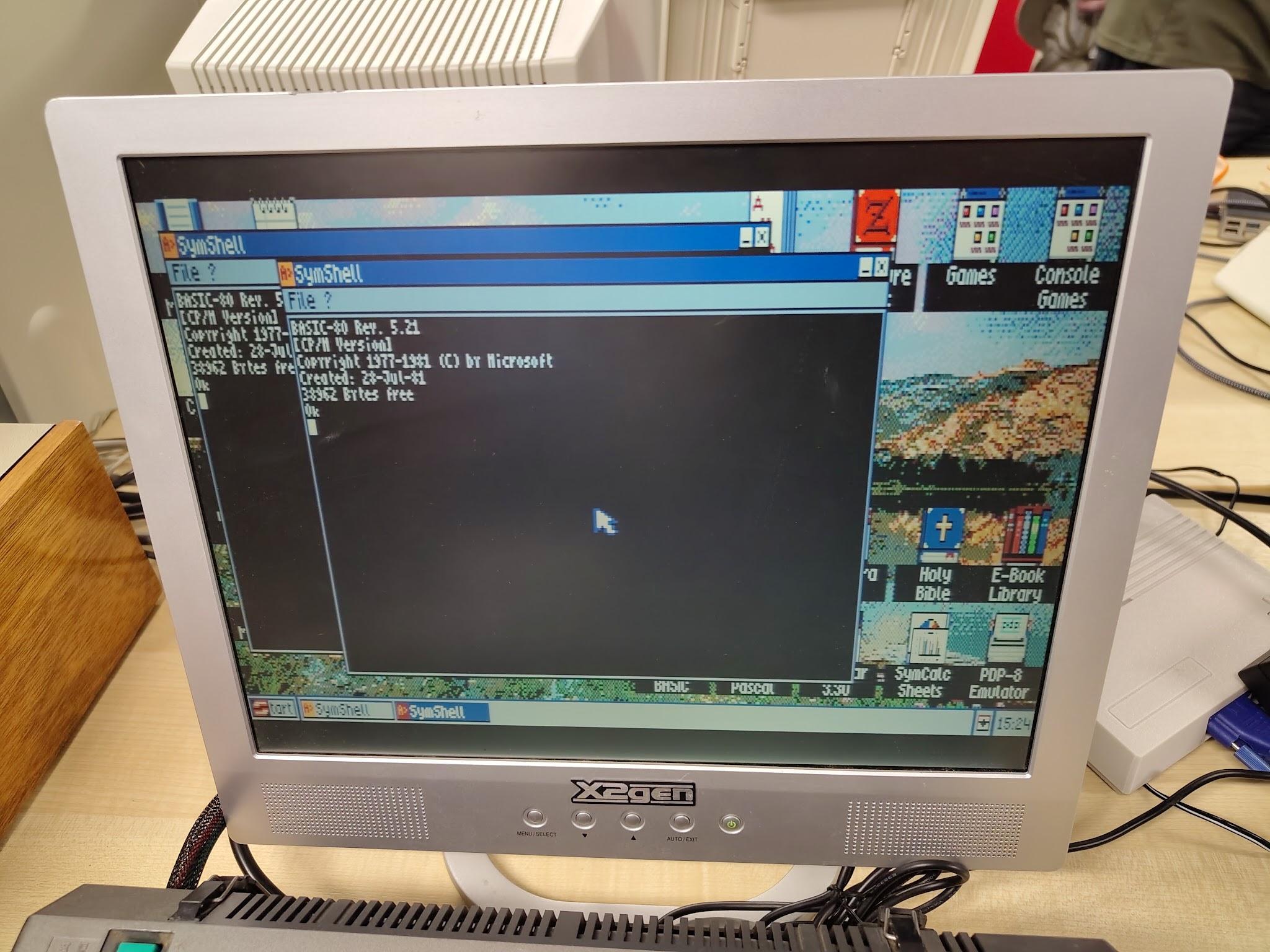
MSX2 Word Processor running the modern SymbOS brought along by Daniel (the maintainer of the C compiler for this OS). The OS is capable of running 'virtual CP/M' machines side by side, by allocating them each their own 64K block of RAM. The system was fitted with a 512K expansion and looked a lot like 90s Windows: https://retrobug.org/system/msx_fs4700
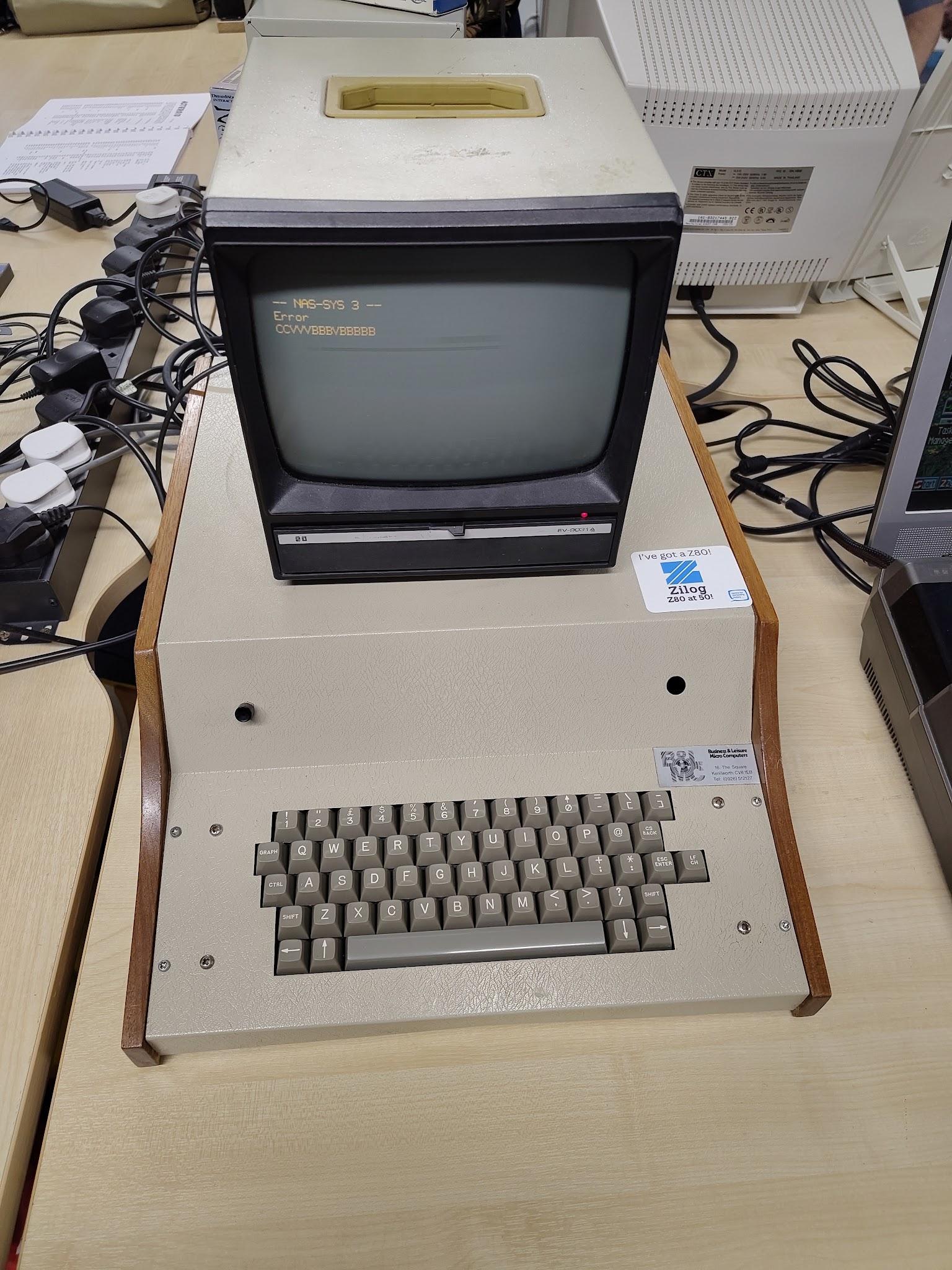
Nascom 2
From the CCH collection and another to be featured in the Z80 50th birthday celebrations. The Nascoms were originally sold as a kit and so are often found in unique, home made cases: https://www.computinghistory.org.uk/det/3653/Nascom-2/
Check out some of the story behind restoring this particular machine here: https://bsky.app/profile/computinghistory.org.uk/post/3mmqokr7enc2p
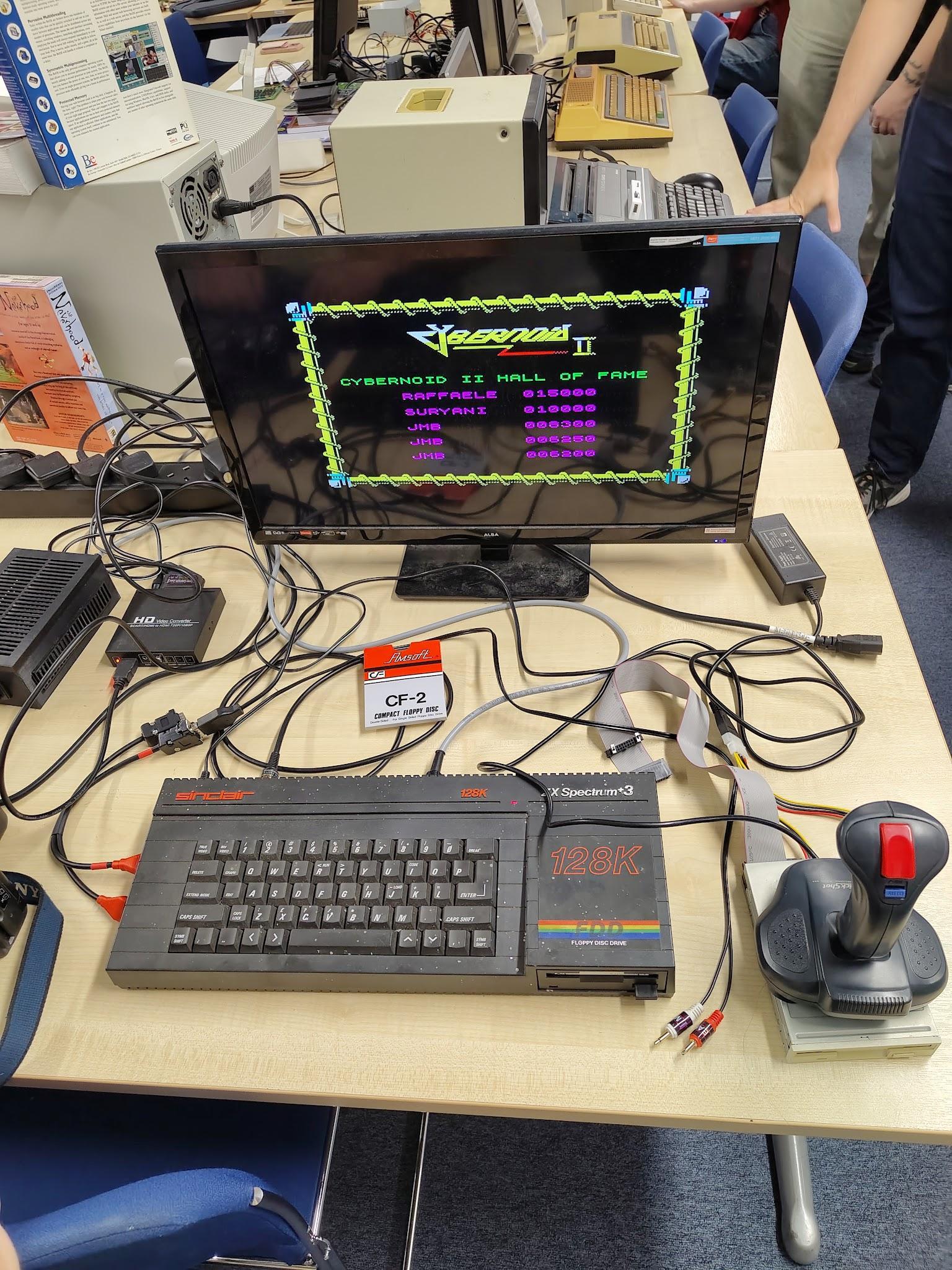
ZX Spectrum +3
In some ways the ultimate Spectrum, but much more expensive to buy games on disk back in the 80s: https://www.computinghistory.org.uk/det/509/Sinclair-ZX-Spectrum-3/
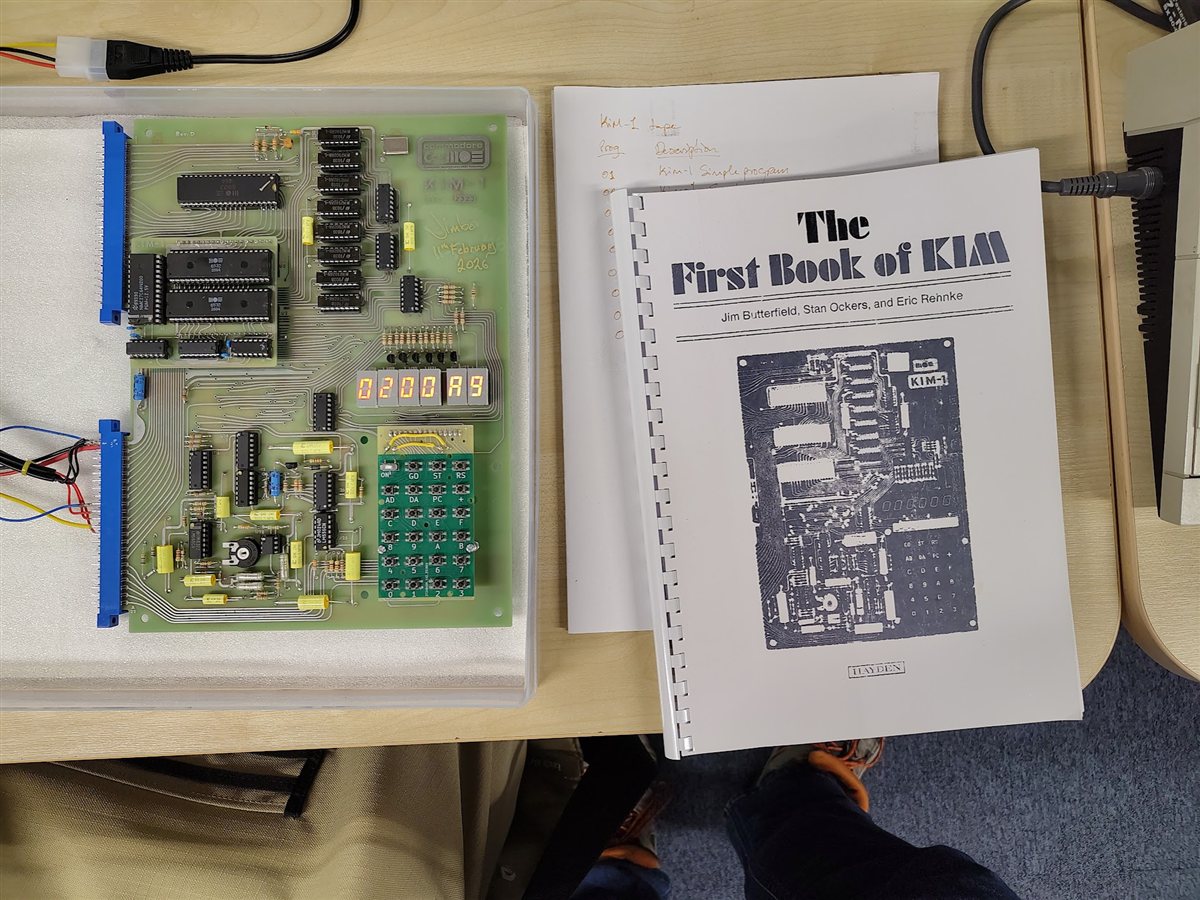
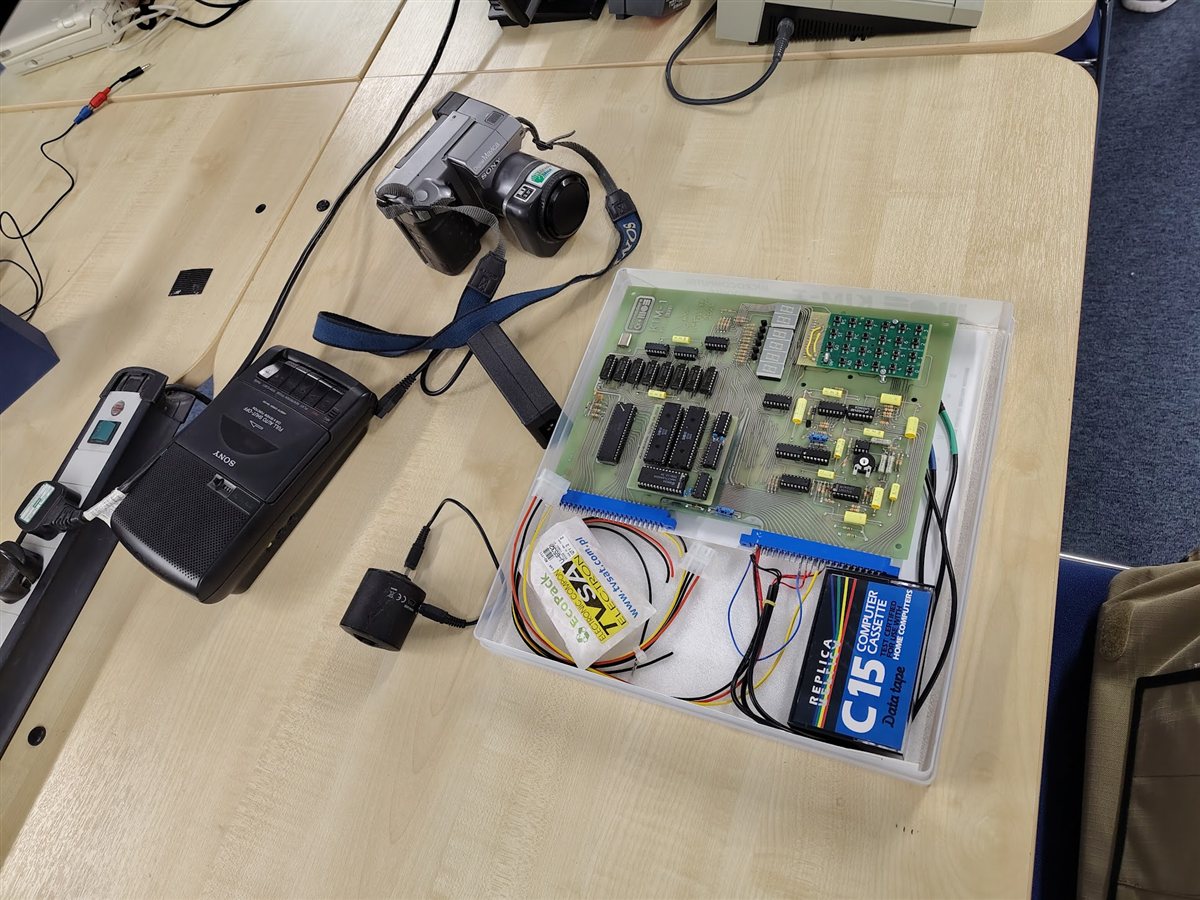
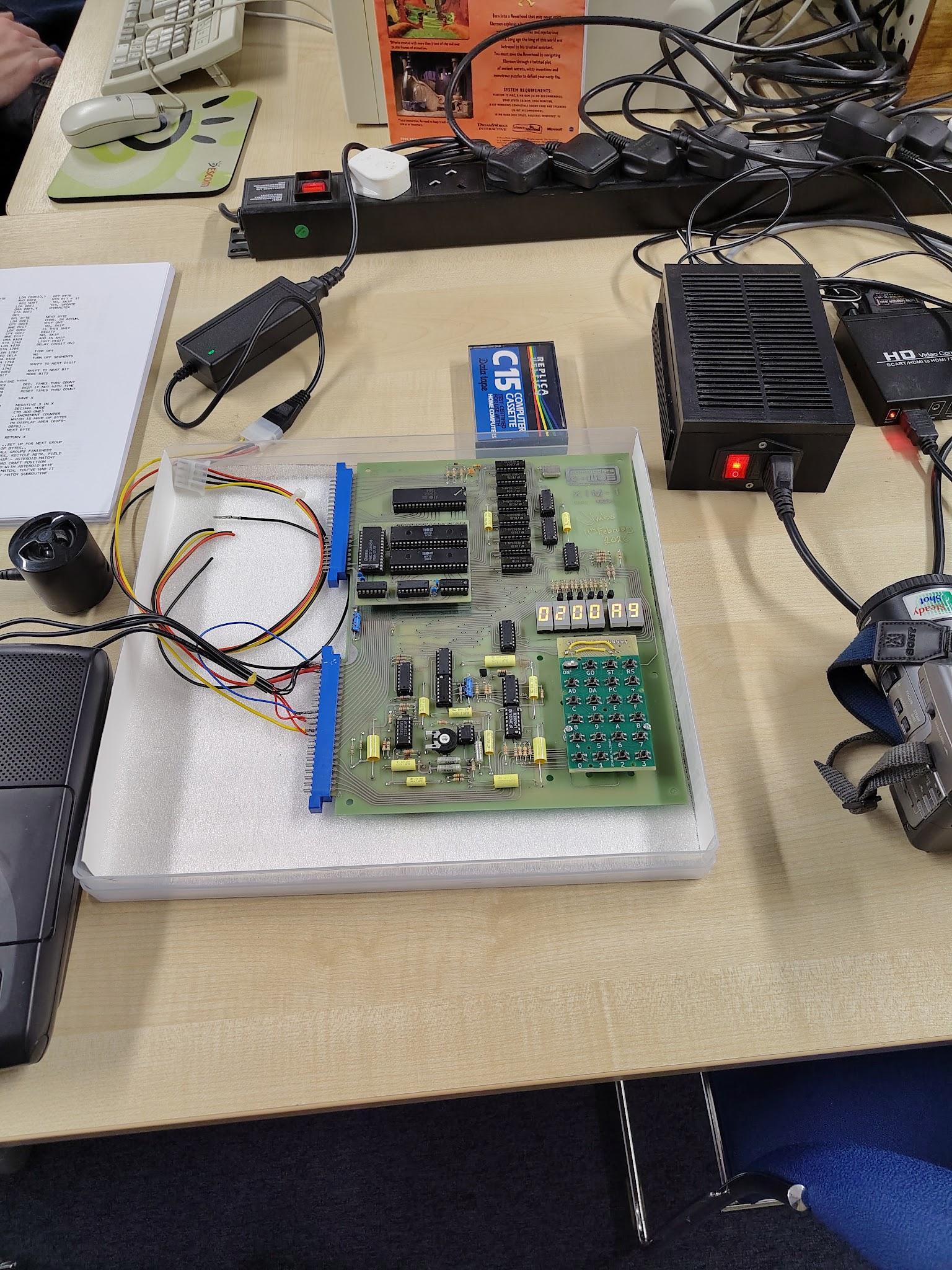
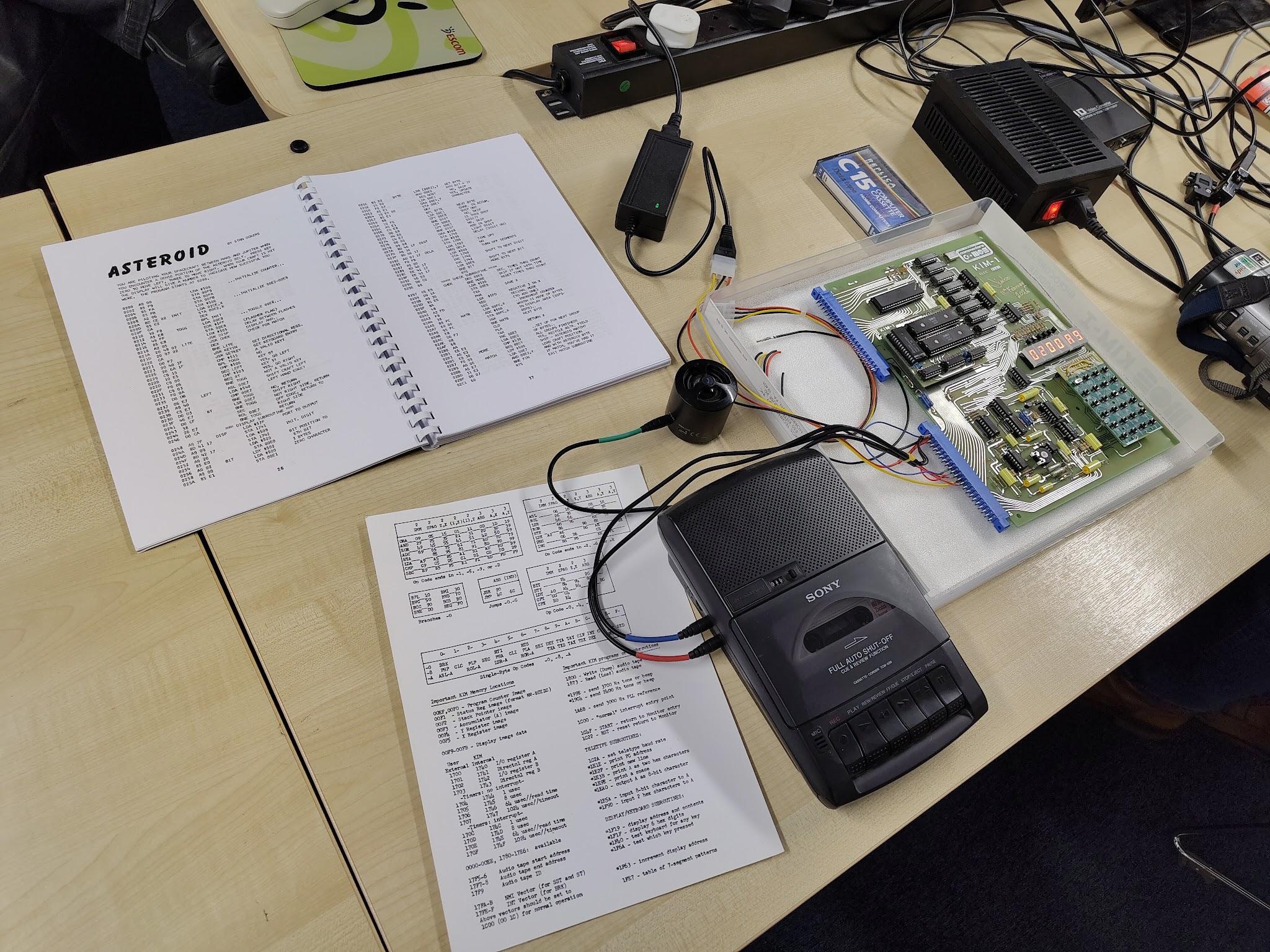
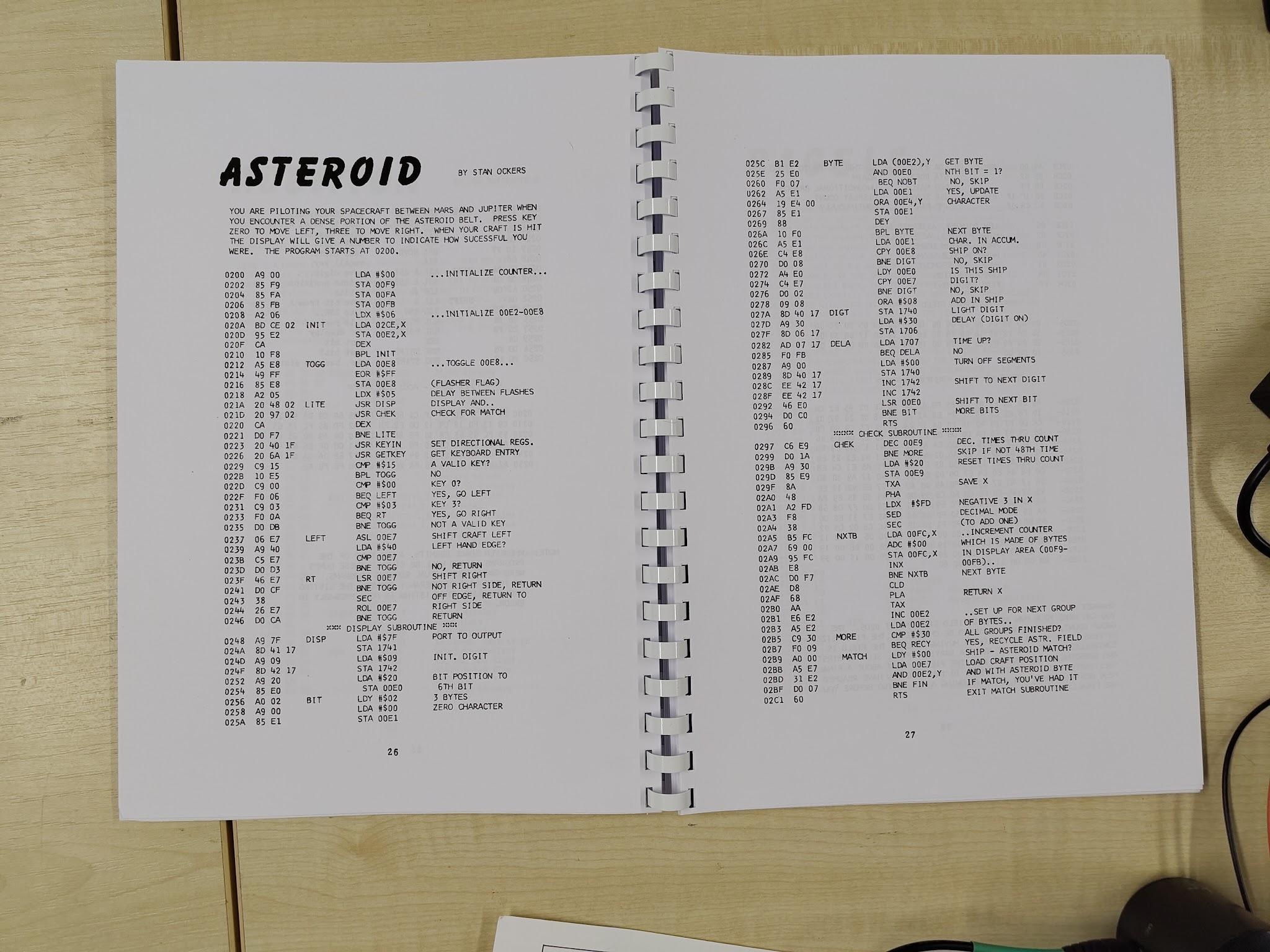
KIM-1 (modern remake)
Brought by James. This was running a version of Asteroids on the single line LED display which was incredibly clever and also incredibly difficult to play: https://6502.org/trainers/buildkim/kim.htm
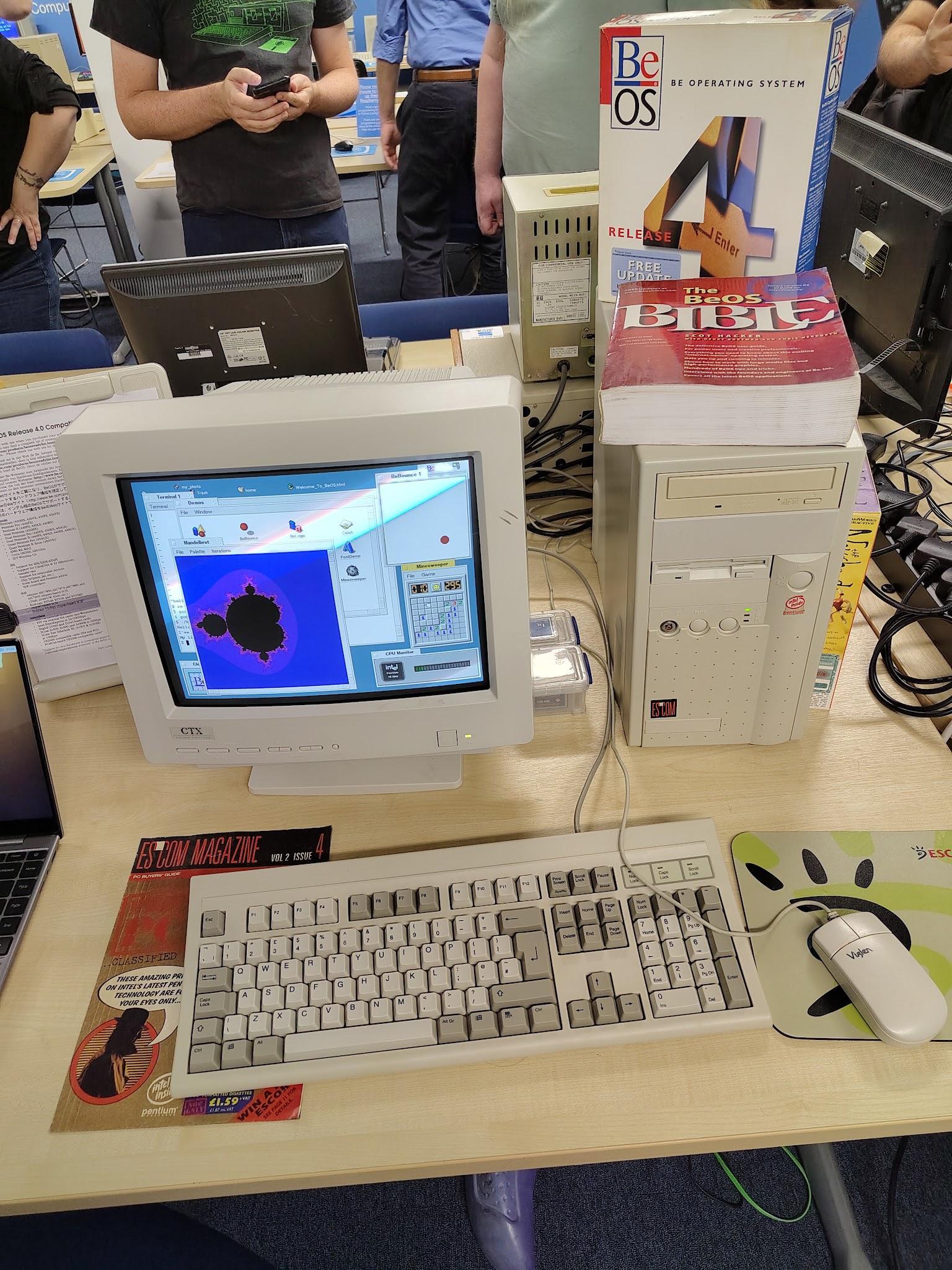
PC running BeOS 4.0
Also brought by James. BeOS nearly became the default OS on Macs, before Apple decided to go with Next and Jobs. How different the world could have been: https://en.wikipedia.org/wiki/BeOS
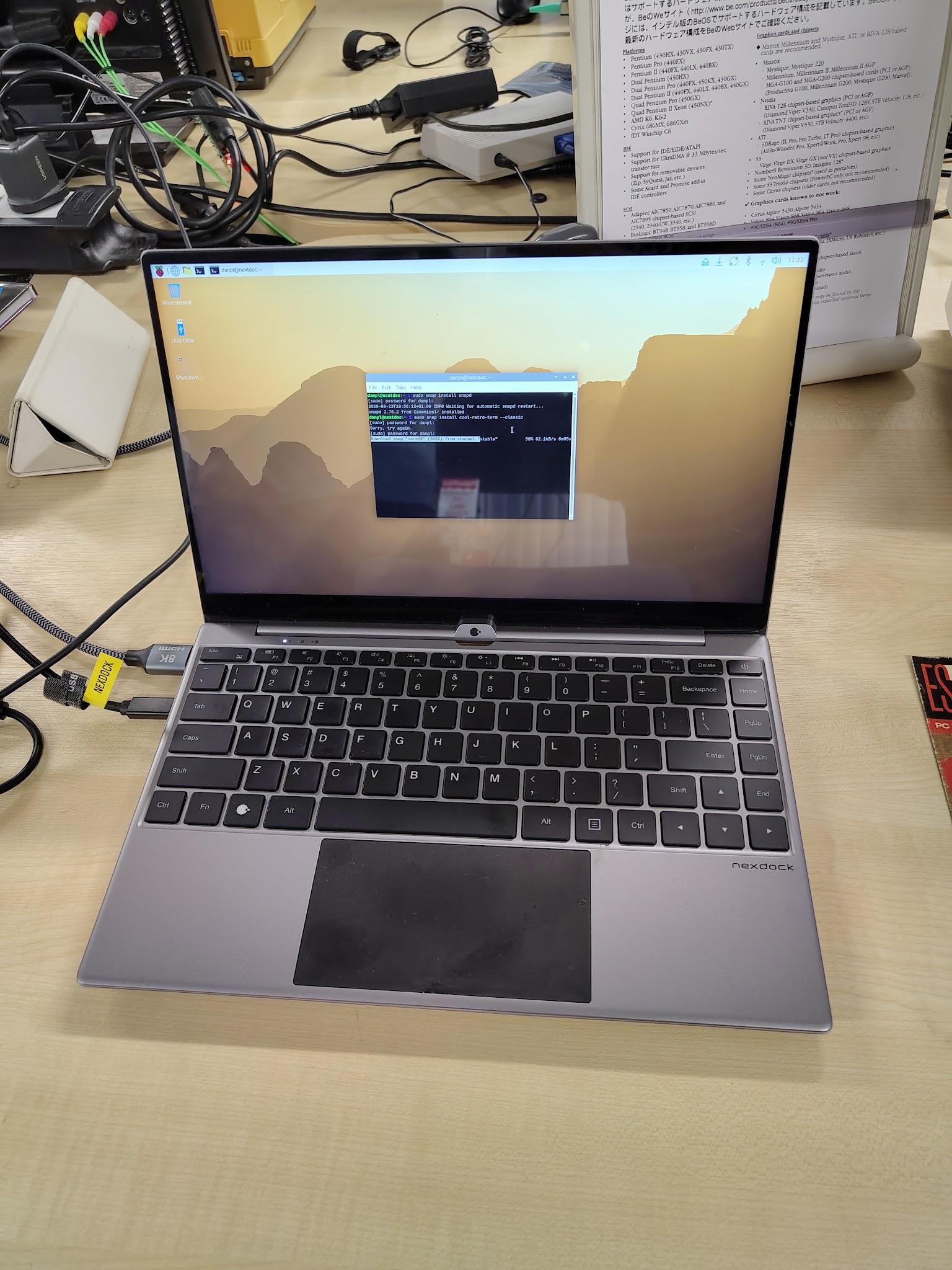
Raspberry Pi Laptop
Not sure who brought this, but I bet the battery life is good!
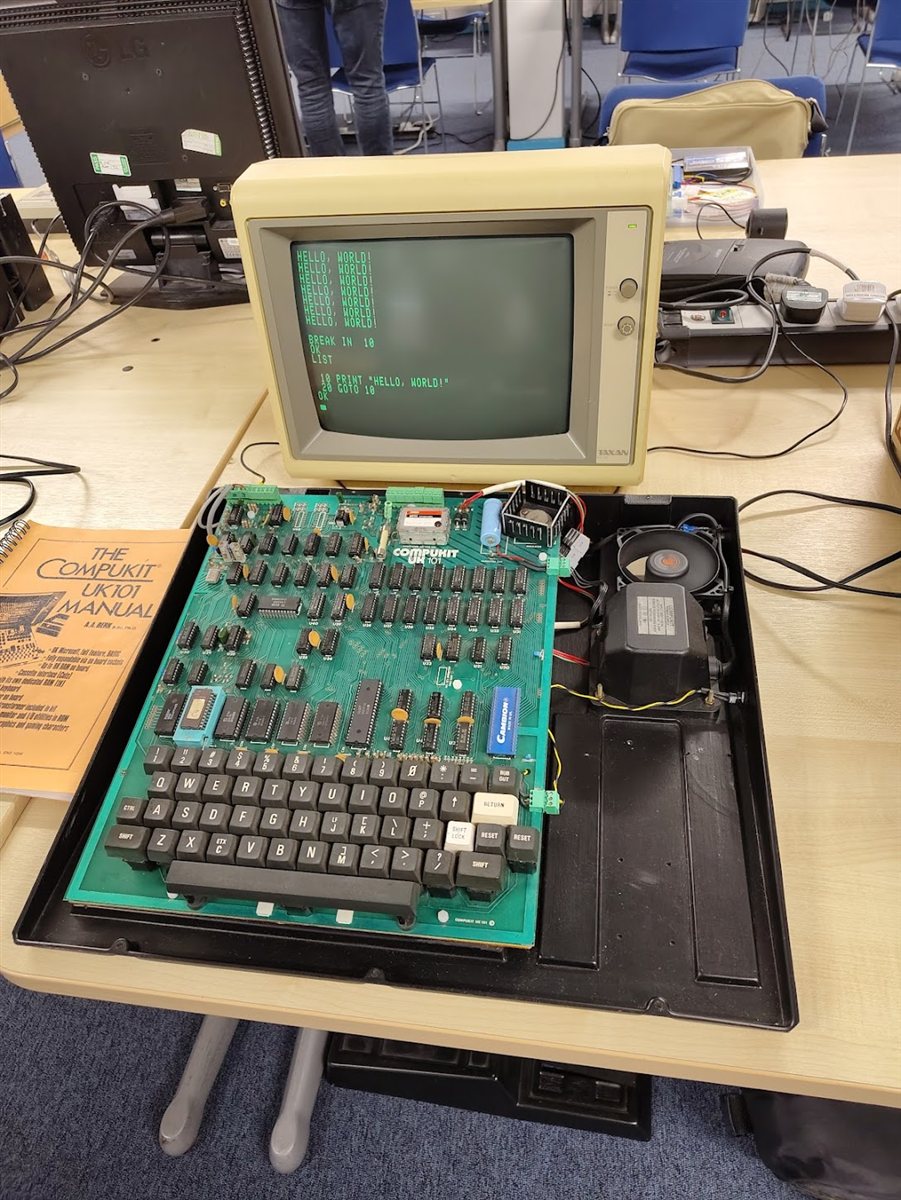
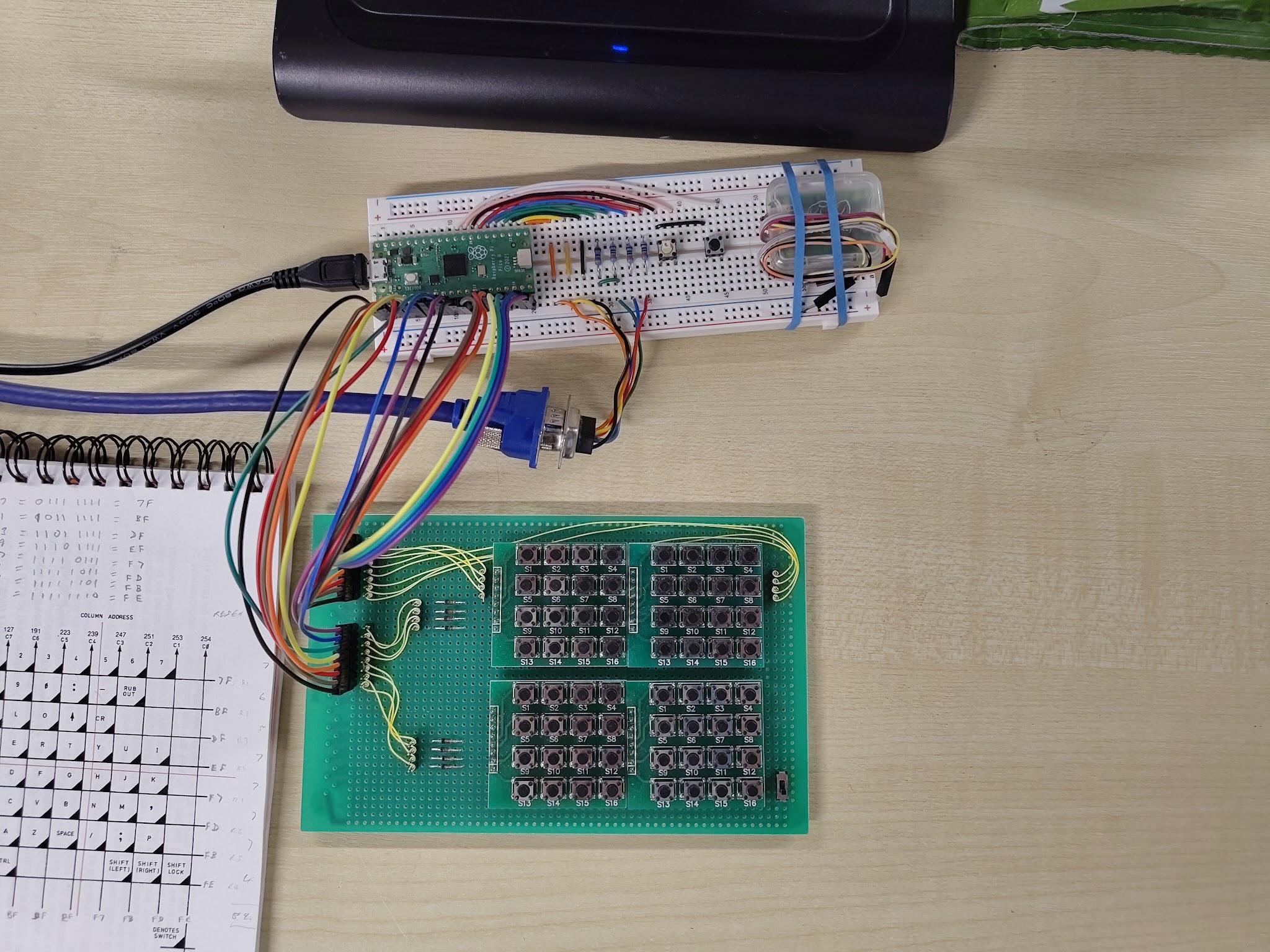
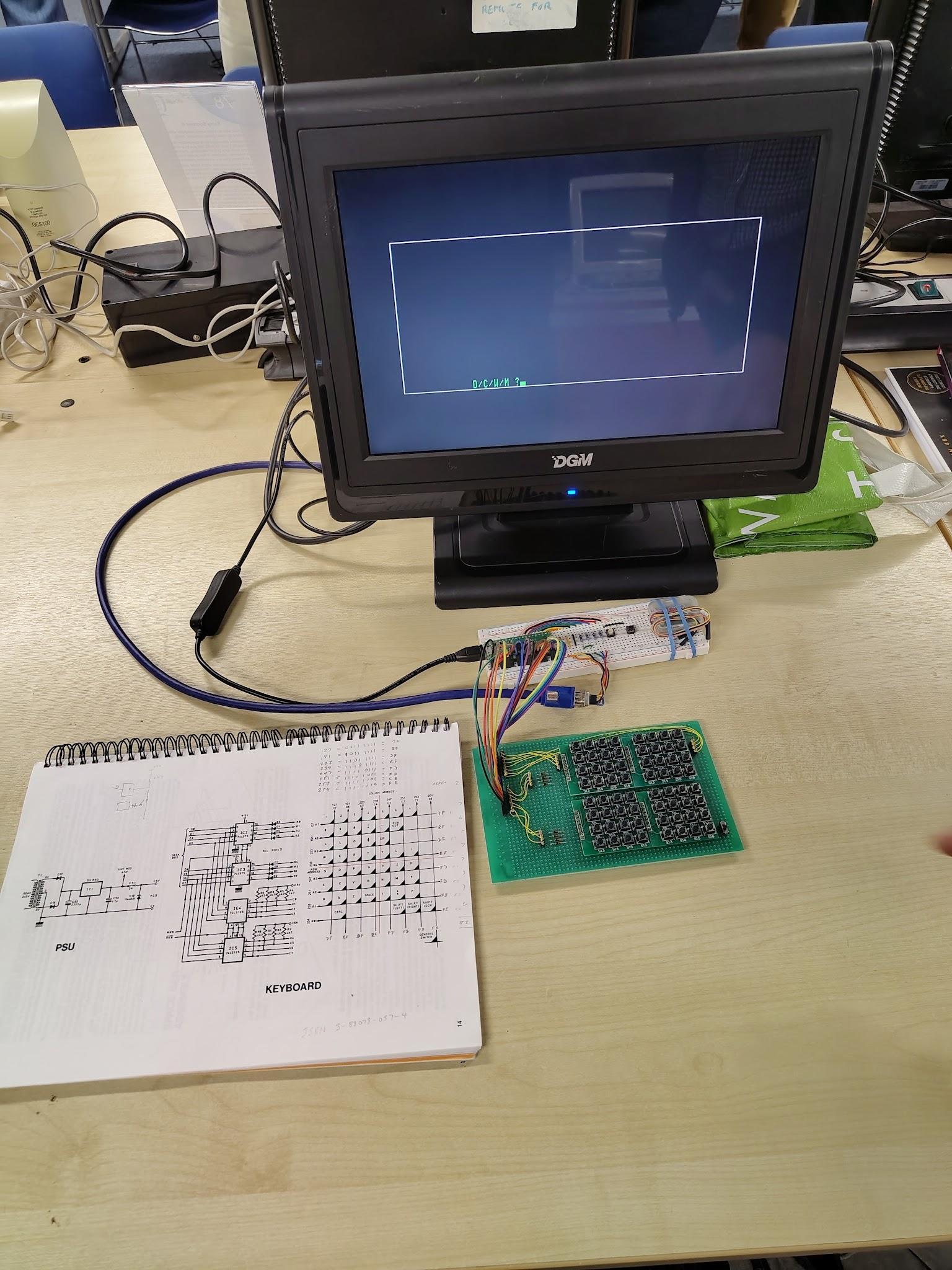
Re-creation of Compukit UK101 running off a Pi
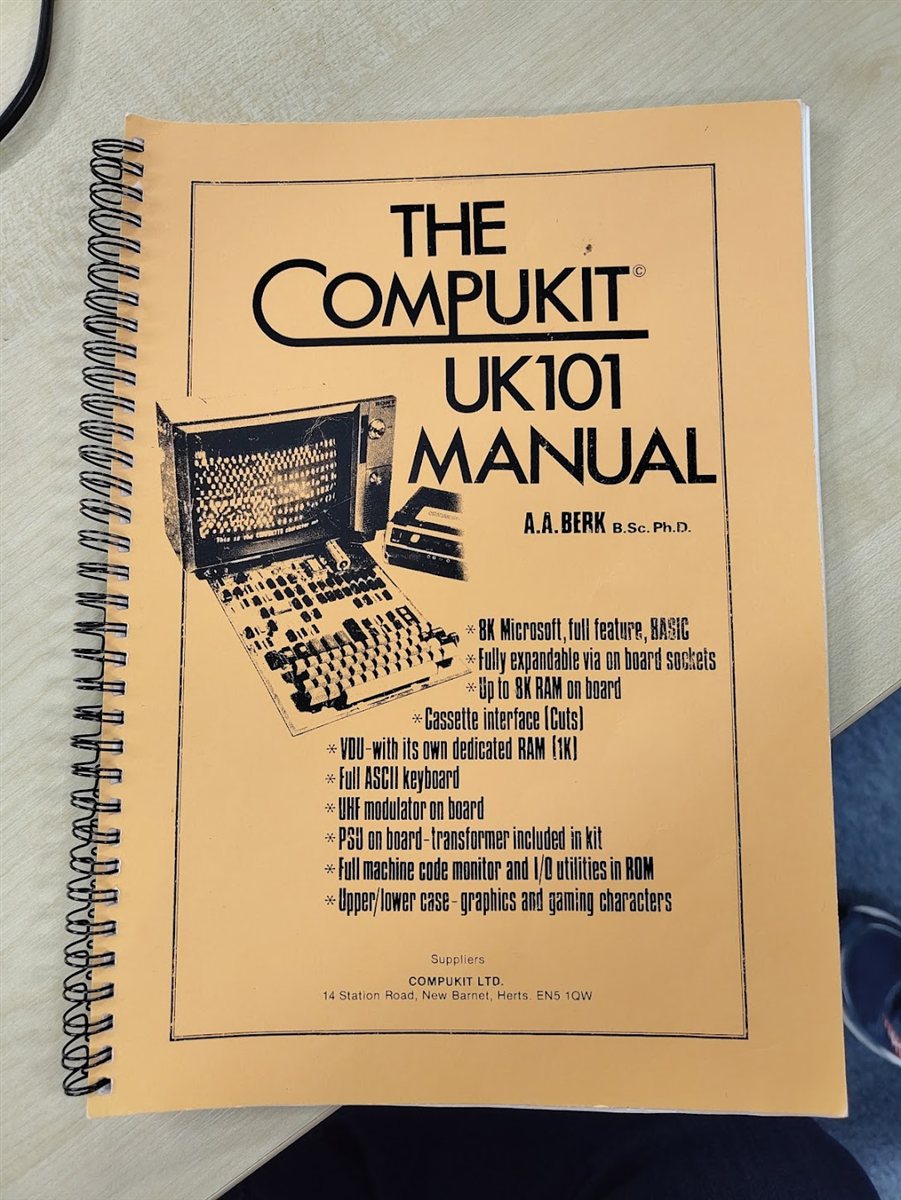
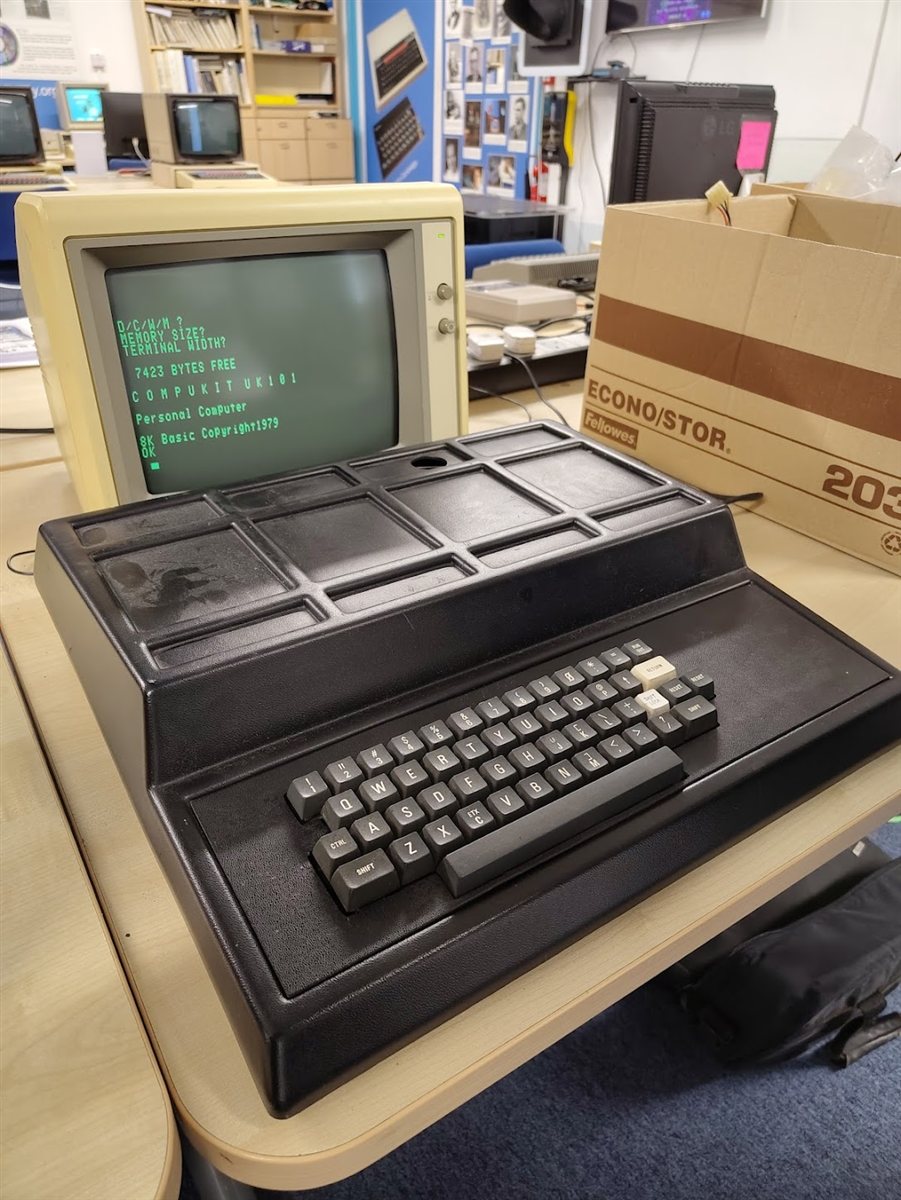
Brought by Phil, who last time brought his own real Compukit UK101 (see last meeting's notes for details). When he gets this working it'll be a bit more portable. Currently it's running from a breadboard, using a very simple keyboard and most of the work is being done by a 'cobbled together' emulator running on a Pi Pico.
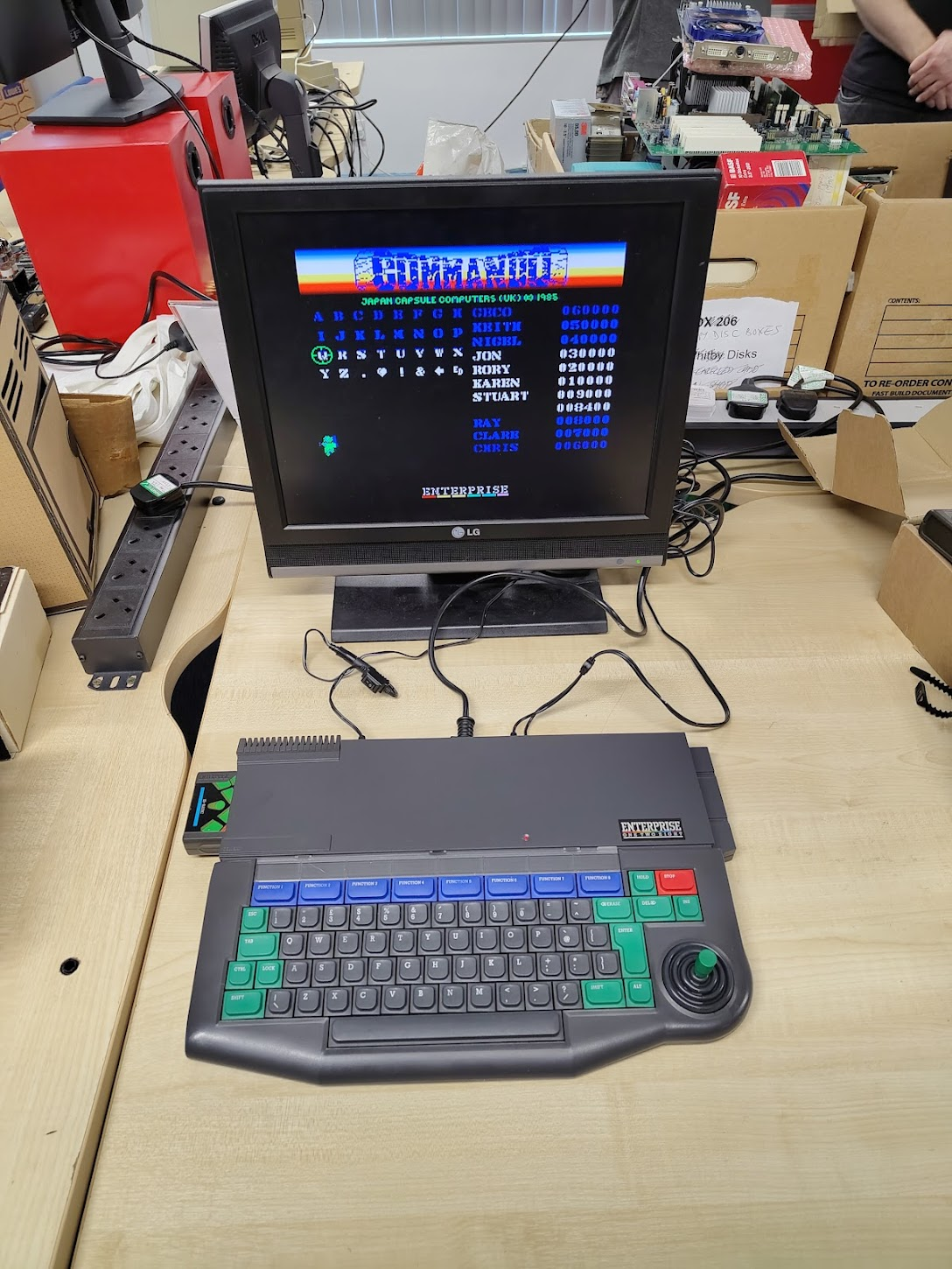
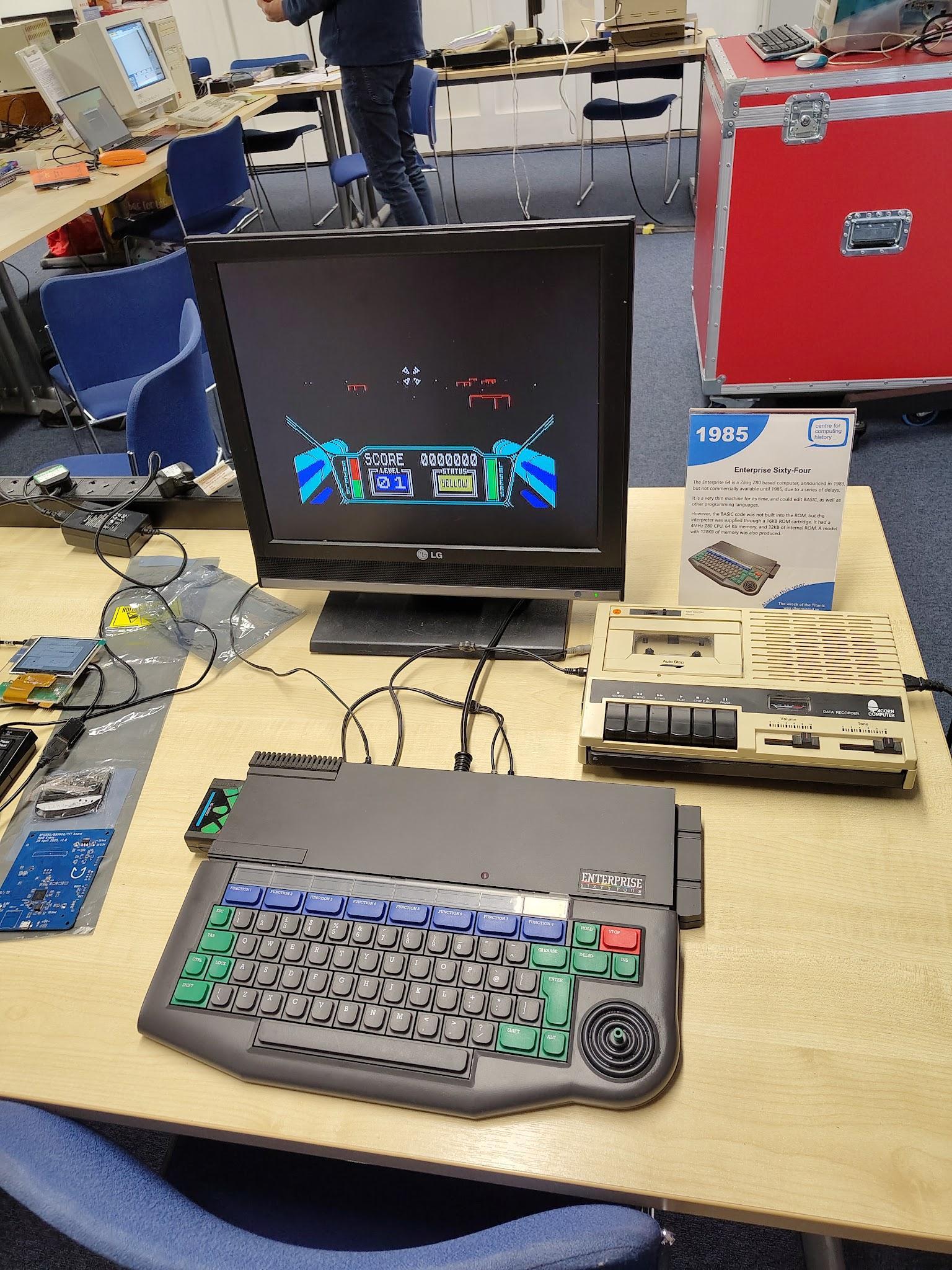
Enterprise 64
From the CCH collection. A computer that looks cool but was too late getting to market to make an impression in the UK: https://www.computinghistory.org.uk/det/71181/Enterprise-64-Sixty-Four/
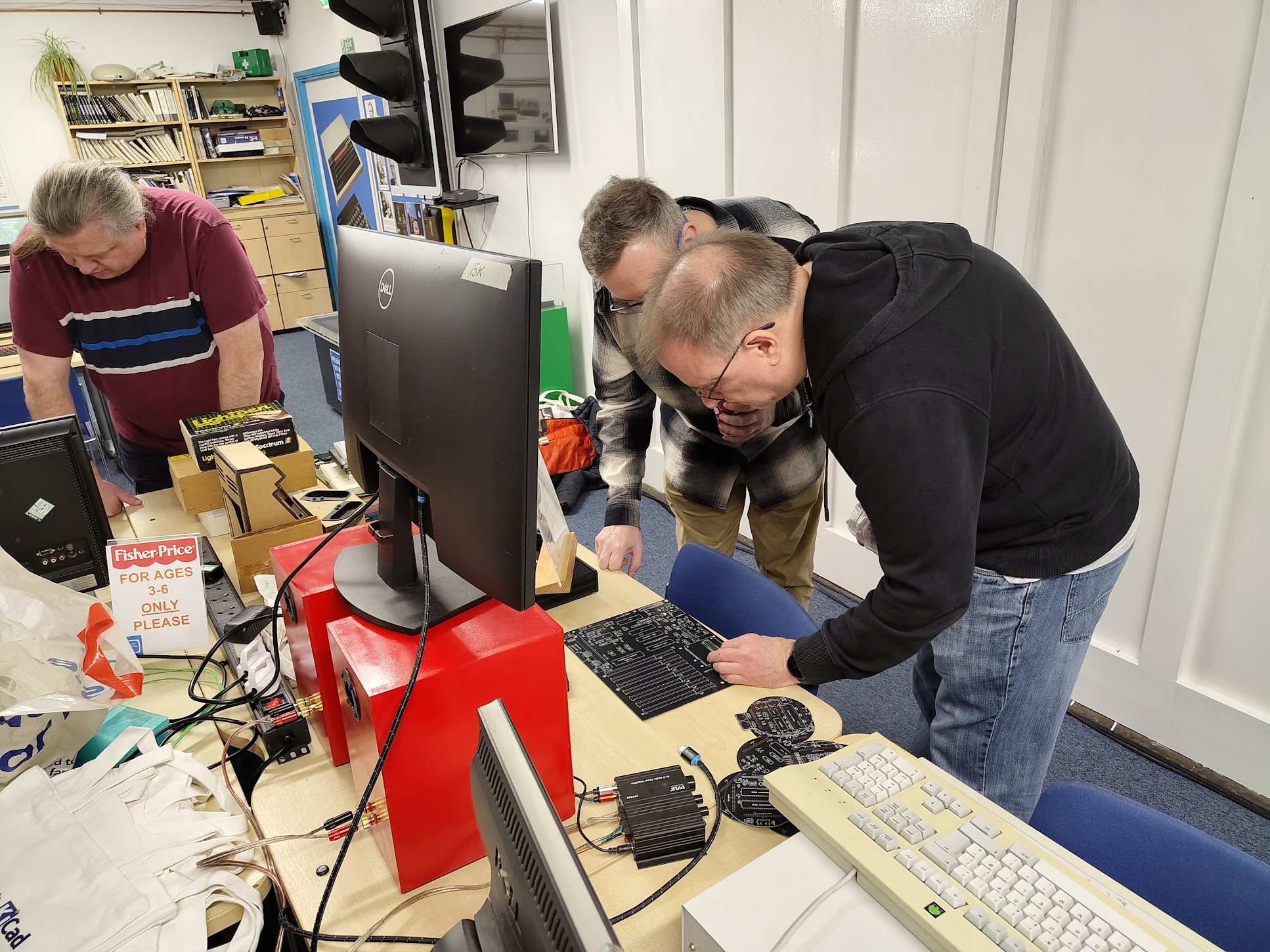
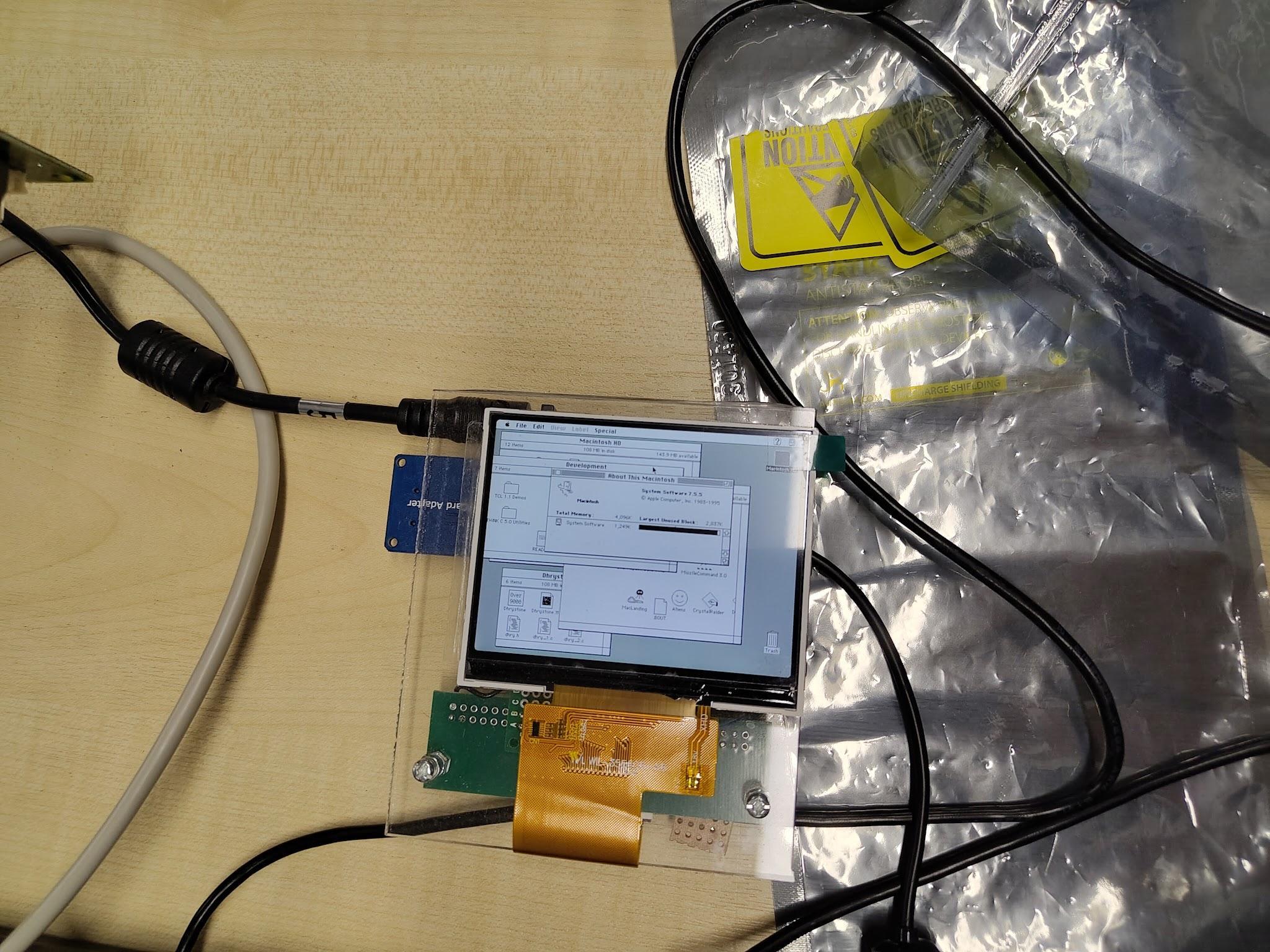
Pico-umac running connected to a tiny VGA screen
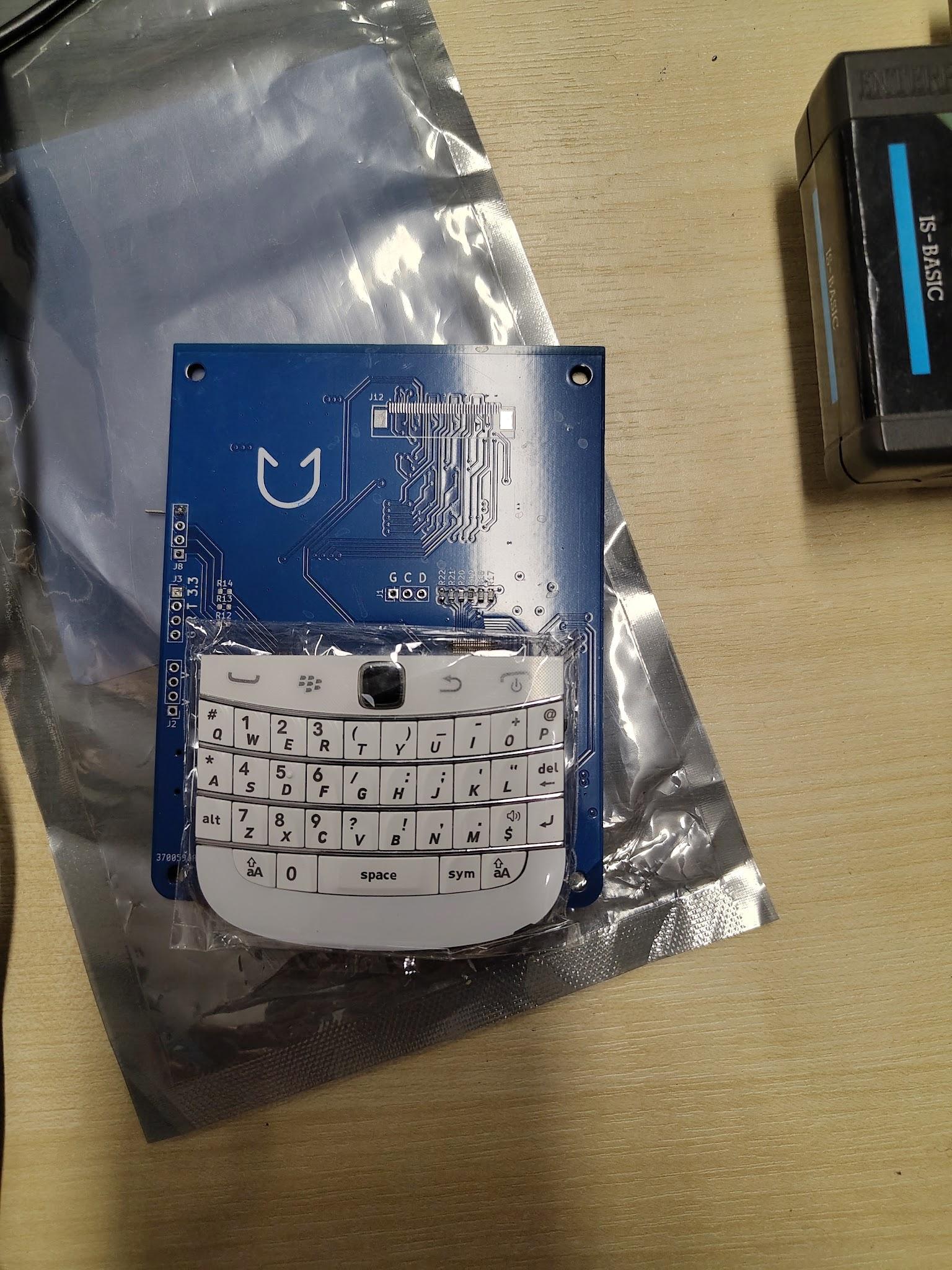
Brought by Matt. The goal here is a Mac emulator in a Gameboy style form factor, circuit board with keyboard is currently illustrative only: https://github.com/evansm7/pico-mac
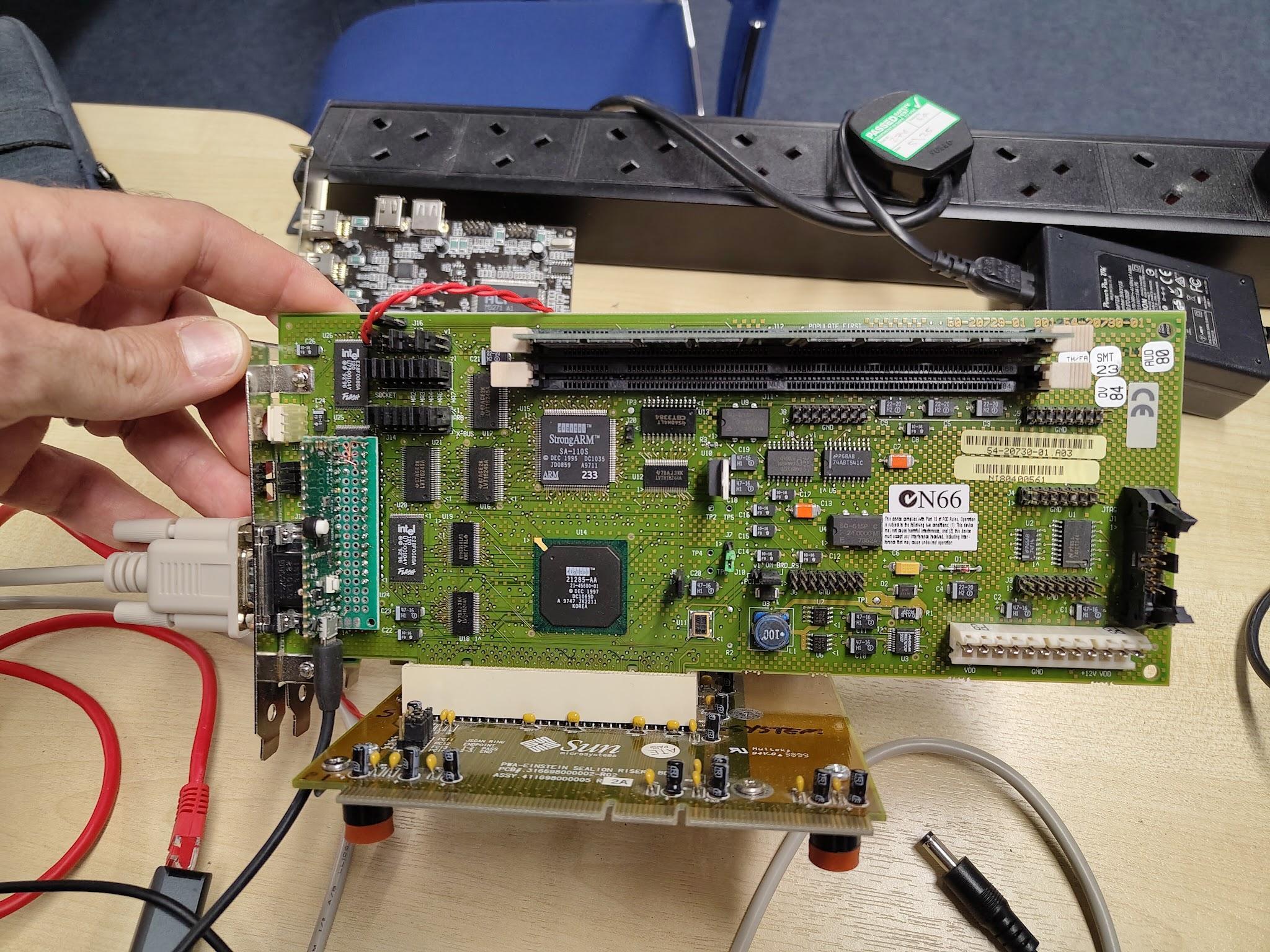
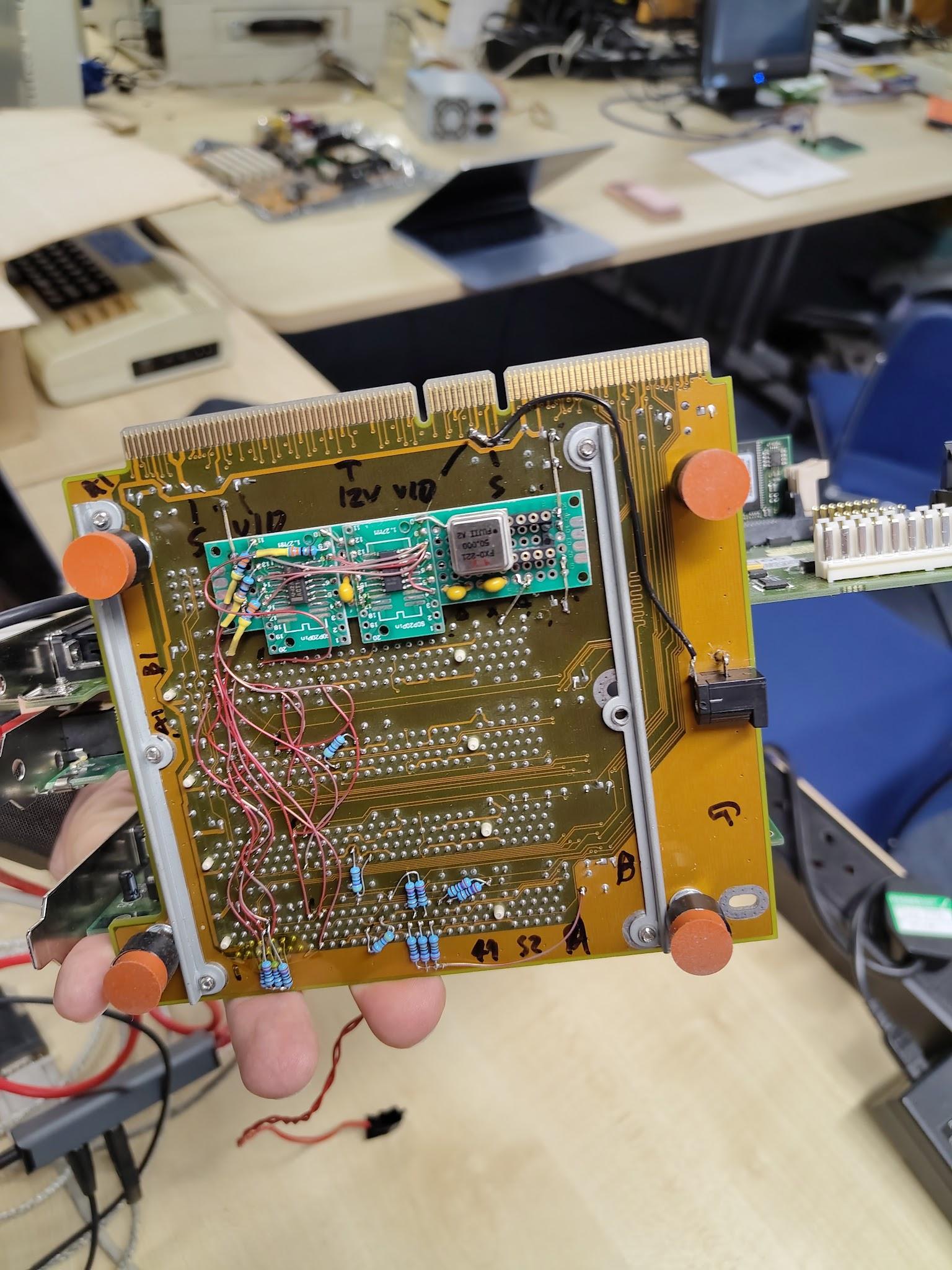
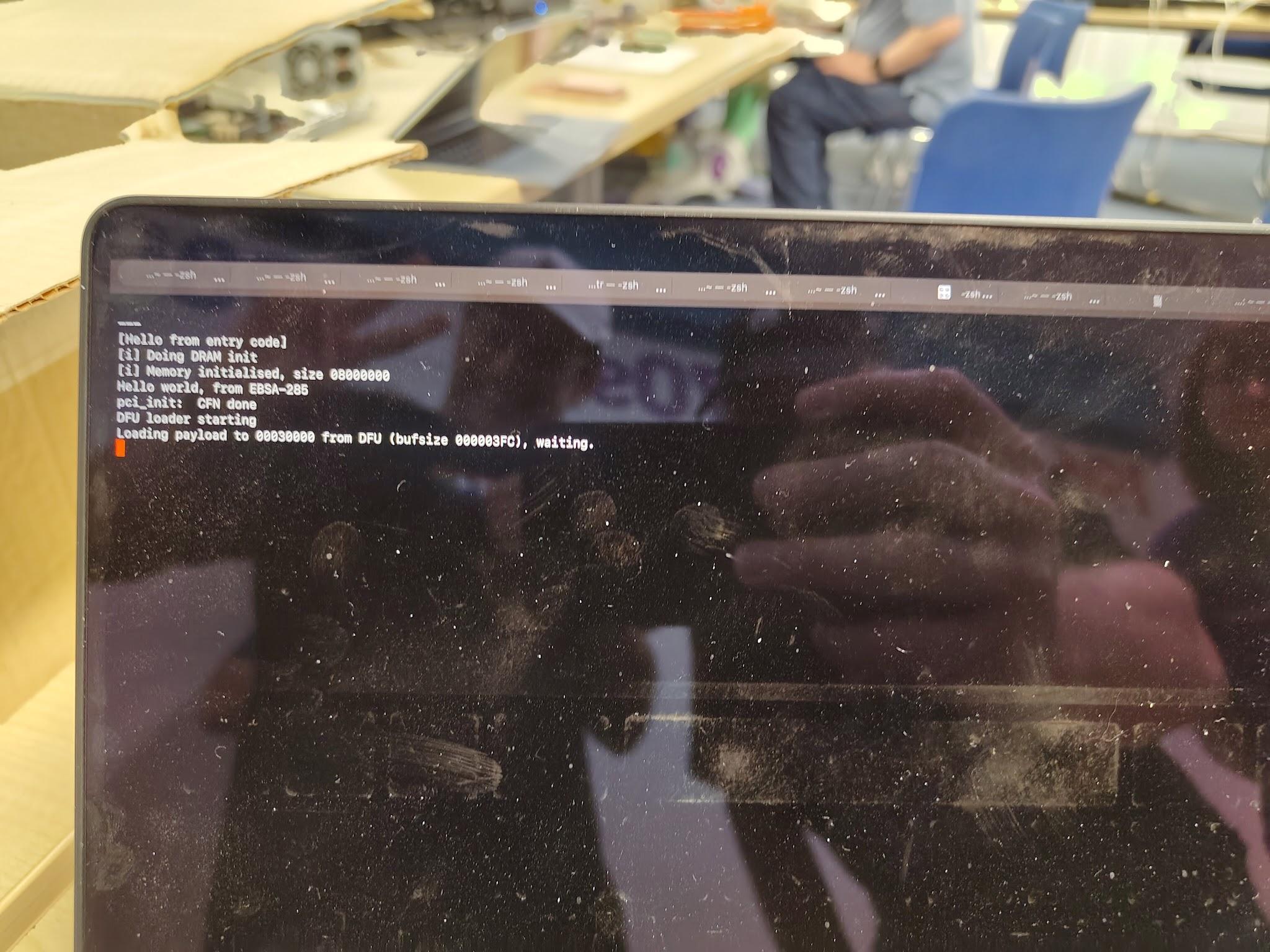
StrongARM development board
Also brought by Matt. A DEC development board for the StrongARM CPU. It was possible to communicate with it using a terminal emulator. Plugged into a SUN expansion board because it happened to have the right number of pins.
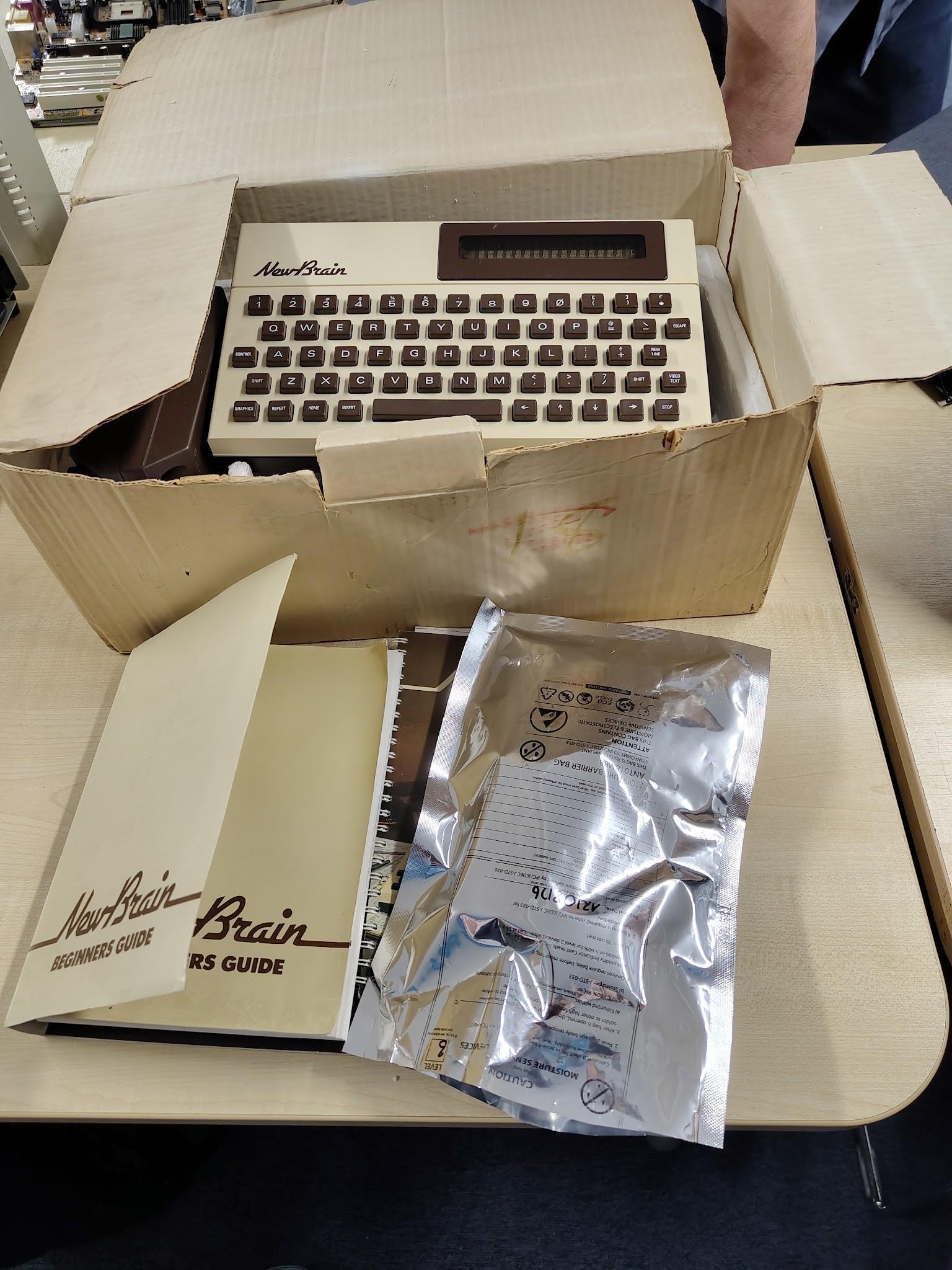
Grundy NewBrain
Brought by Lee from his repair pile. Initially this was the project the BBC were backing for their Computer Literacy Project, but slow progress led to them opening it up to tenders and Acorn got to make the BBC Micro: https://www.computinghistory.org.uk/det/5291/Grundy-NewBrain-AD/
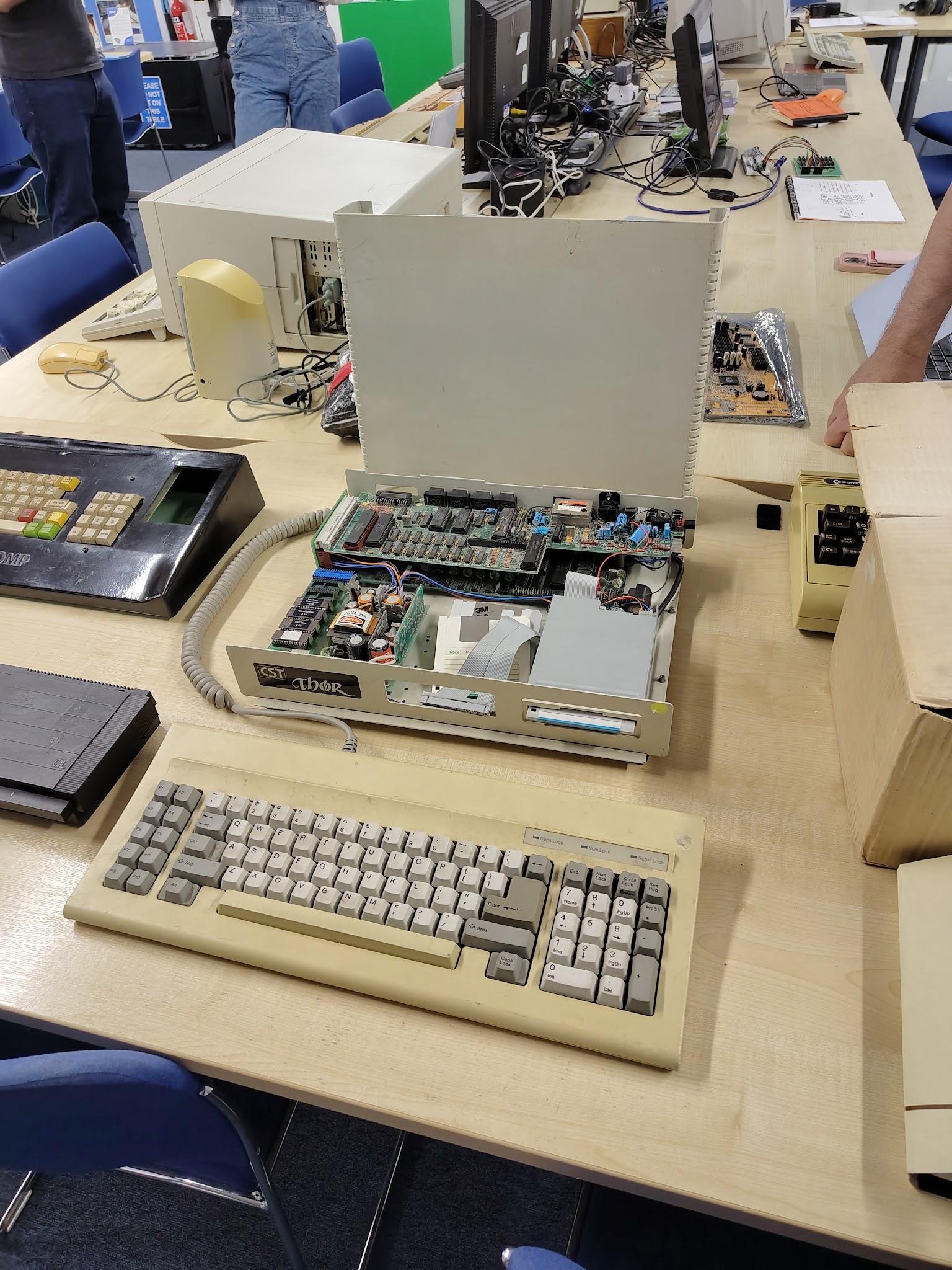
CST Thor
Brought by Binary Dinosaurs, based on a Sinclair QL but with enough extra bits to be a proper workstation: https://binarydinosaurs.co.uk/Museum/cst/index.php
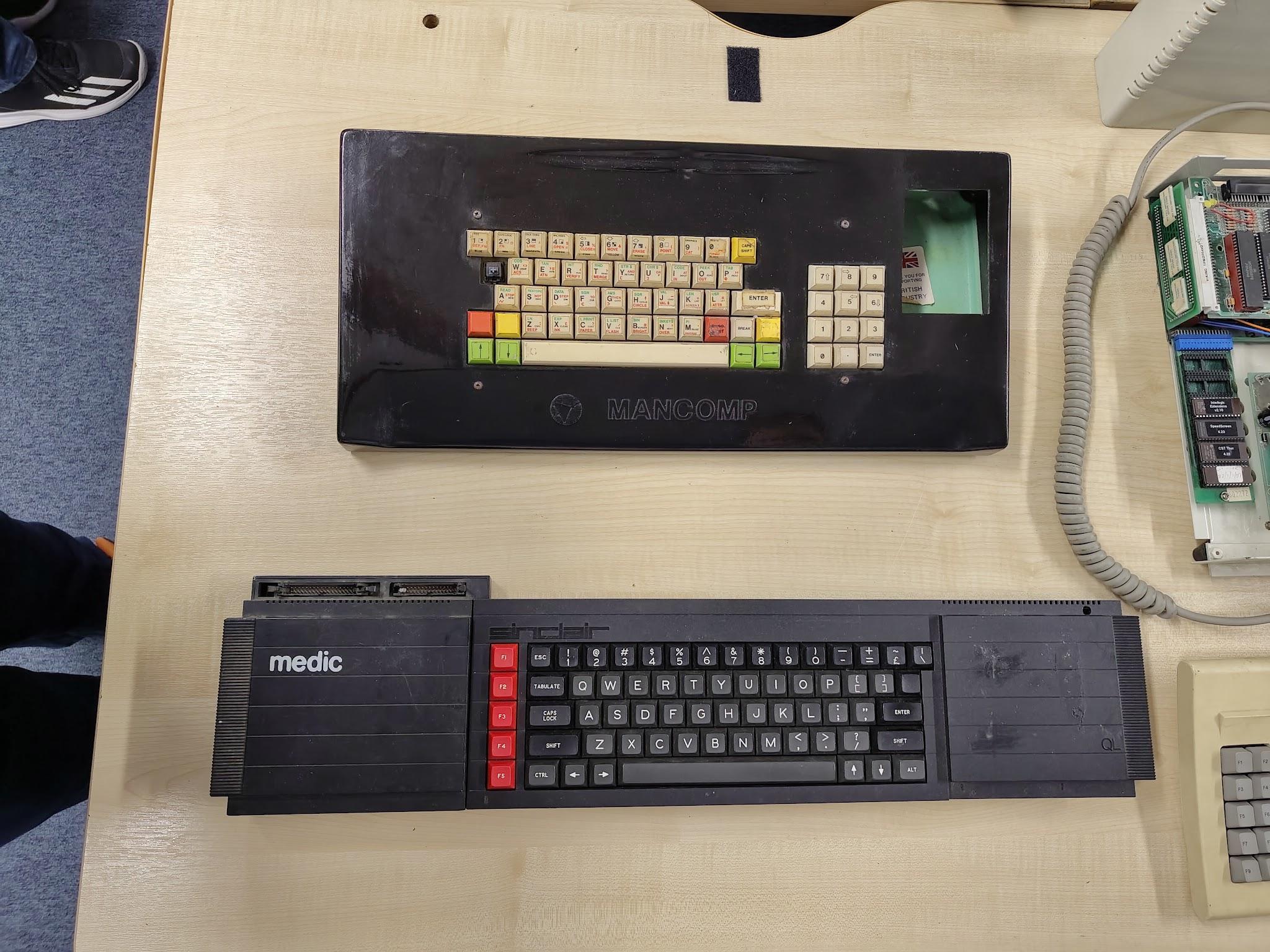
Sinclair QL with Schön keyboard & Mancomp MO184 Spectrum replacement keyboard
Also brought by Binary Dinosaurs. The Mancomp was just a case, no Spectrum was present inside.